Society & Daily Life
Housing, education, medicine, work, fashion and leisure.
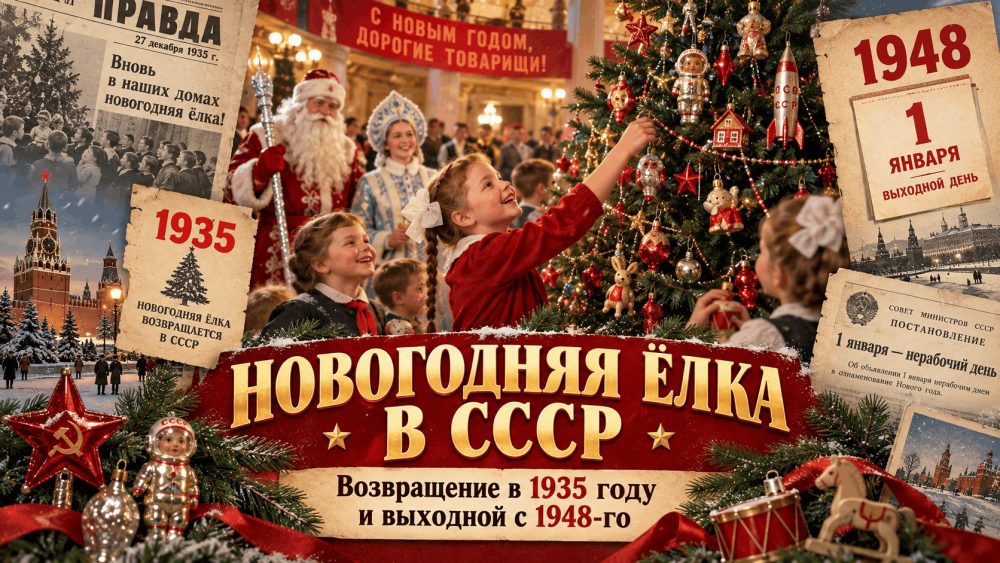
The Soviet New Year Tree: The 1935 Return and the 1947 Decree
How the New Year tree returned to Soviet schools, what a 1937 guidebook covered and why the December 1947 decree made 1 January 1948 a day off.
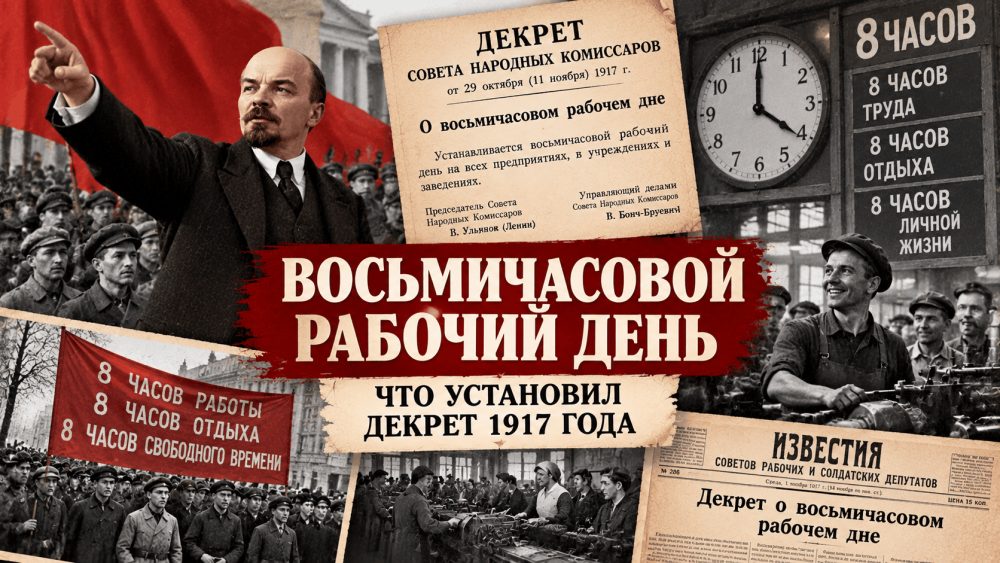
The Eight-Hour Day: What the 1917 Decree Established
What the eight-hour day meant in 1917: the 48-hour week, breaks, cleaning time, overtime rules and the two calendar dates of the Soviet decree.
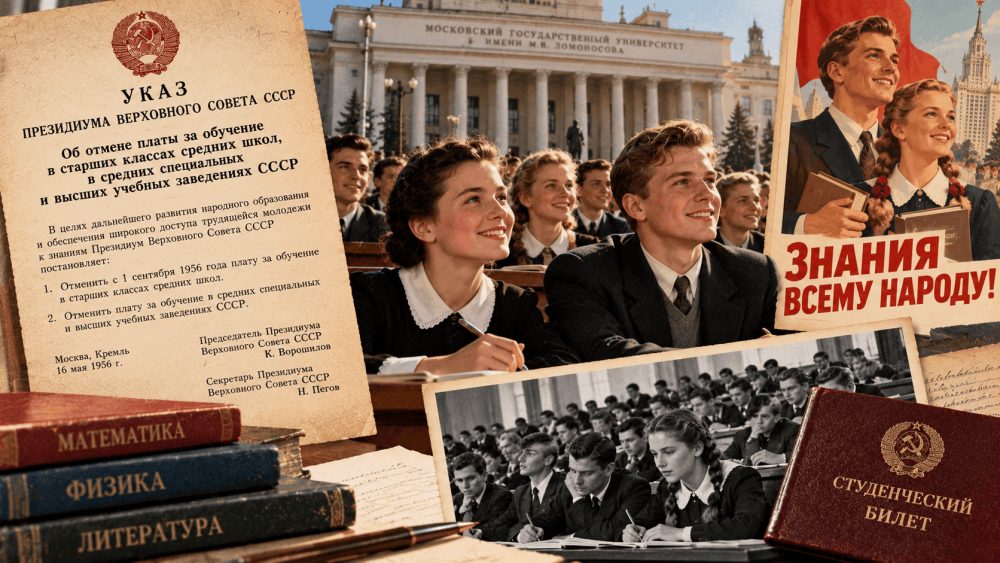
Soviet Tuition Fees: What Changed with Abolition in 1956
When the USSR abolished upper-secondary and university tuition fees: the June 1956 decision, the original rates, exemptions and the September start date.
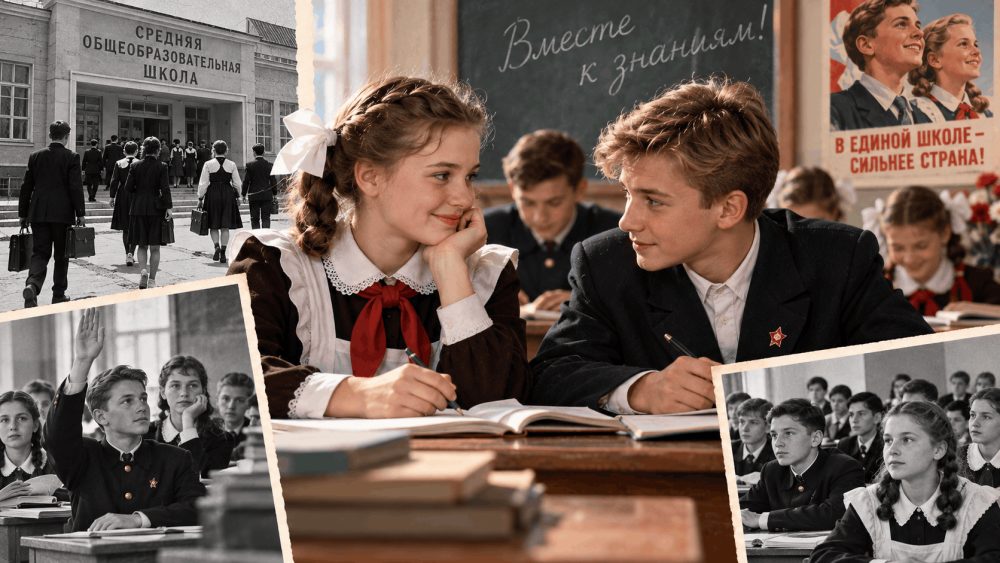
Coeducation in 1954: How Soviet Boys’ and Girls’ Schools Changed
How Soviet schools moved to coeducation in 1954/55: the grade X exception, catchment areas, foreign-language continuity and Moscow’s timetable.
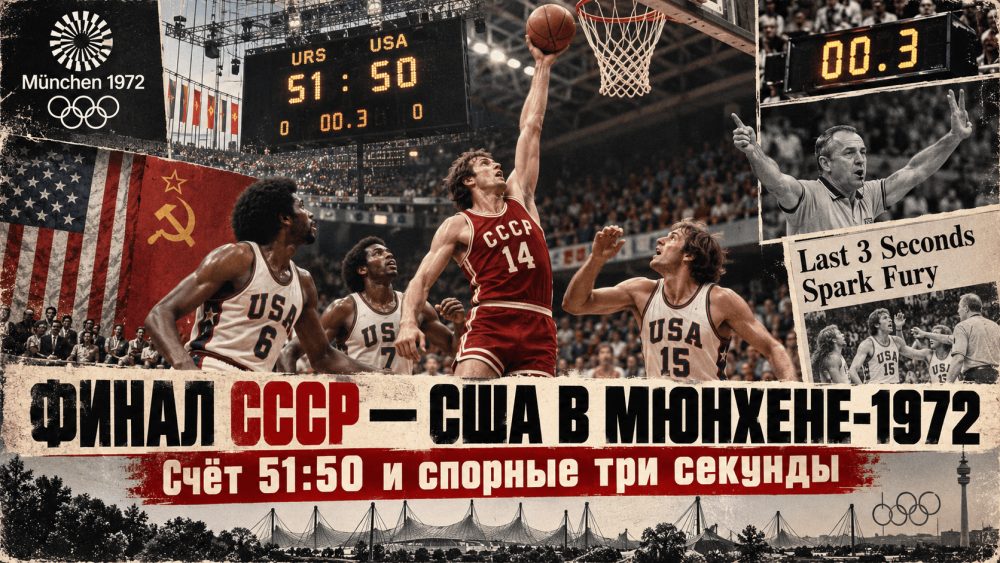
The USSR-USA Basketball Final in Munich 1972: 51-50 and Three Seconds
How the 1972 USSR-USA Olympic basketball final ended: Edeshko’s pass, the two Belovs, repeated inbound plays, the protest and the official 51-50 result.
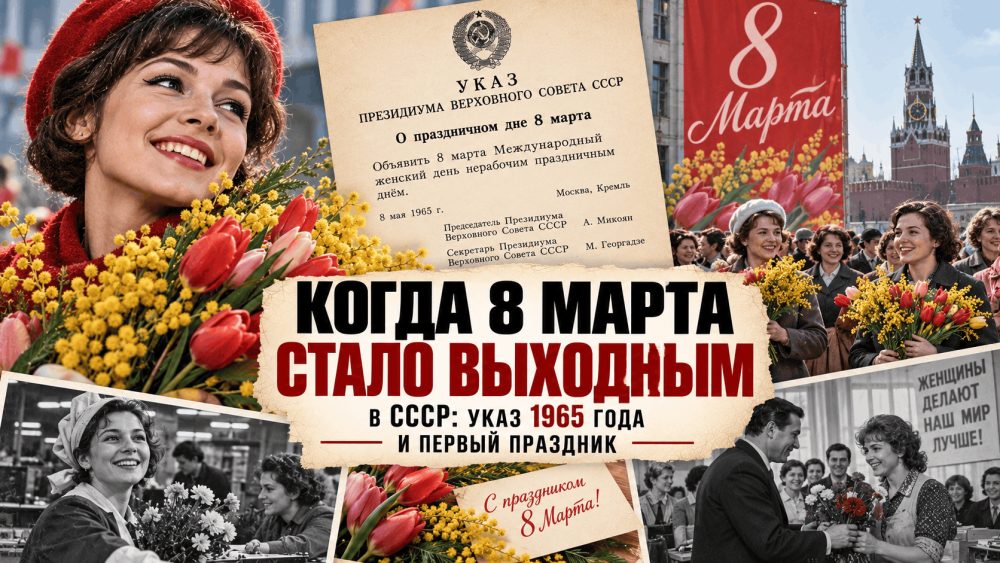
When 8 March Became a Soviet Day Off: The 1965 Decree
What the decree of 8 May 1965 changed, why the first subsequent holiday was in 1966 and how the Soviet day off relates to the history of women’s activism.
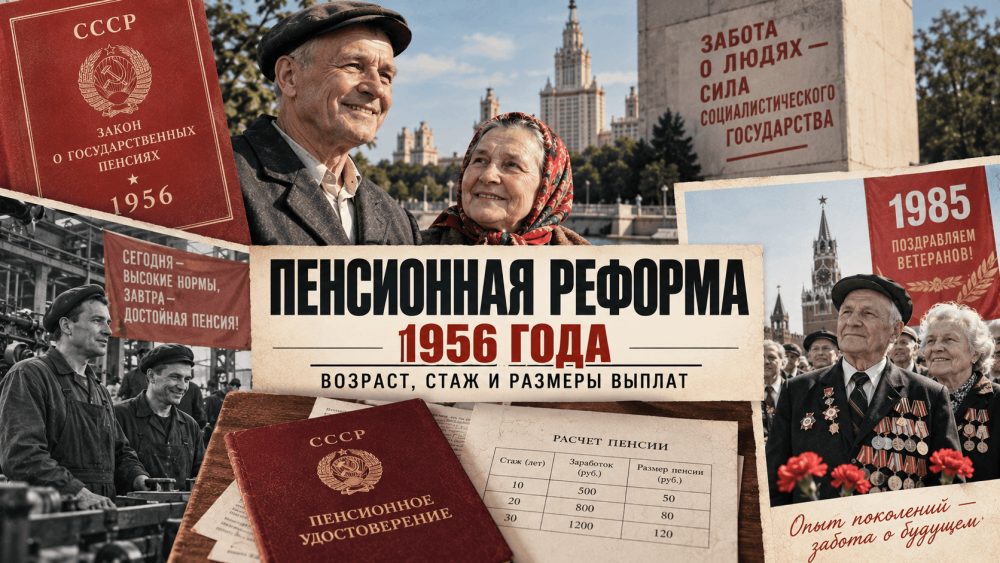
The Soviet Pension Reform of 1956: Age, Service and Payments
What the 1956 state pension law provided: age and service requirements, financing, amounts in pre-1961 rubles and the limits of coverage.
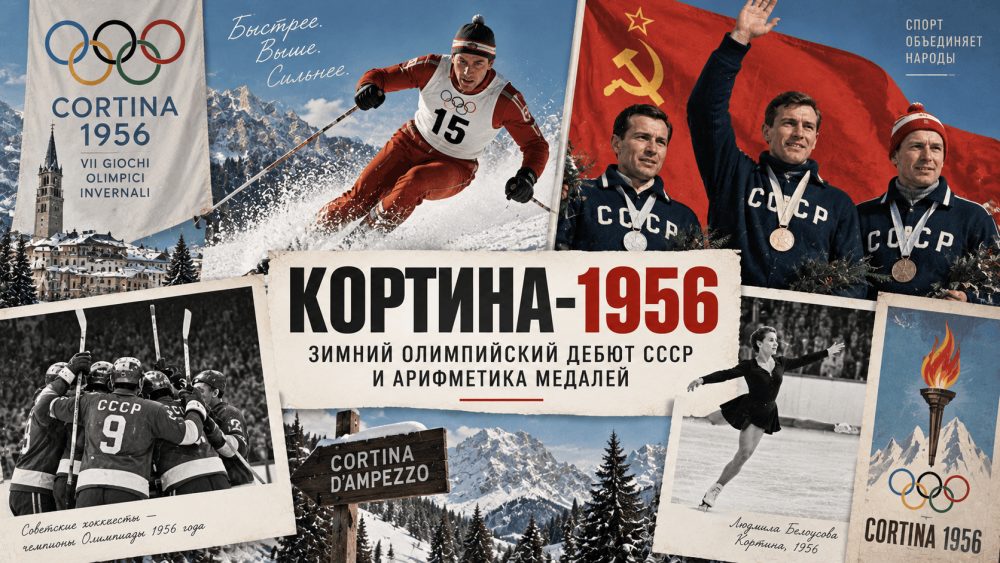
Cortina 1956: The Soviet Winter Olympic Debut and Its Medal Count
How the USSR won 16 medals at Cortina: shared skating gold, cross-country results, hockey and the distinction from its 1952 Summer Olympic debut.
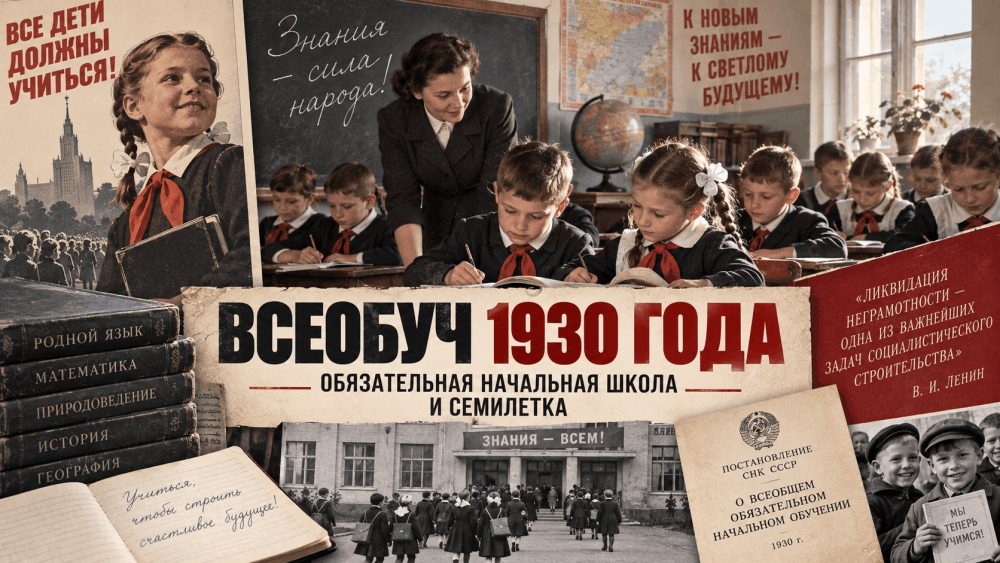
Compulsory Schooling in the USSR in 1930: Four Years or Seven?
Who the 1930 schooling programme covered: two decisions, age groups, the four-year course, seven-year schooling in industrial areas and pupil support.
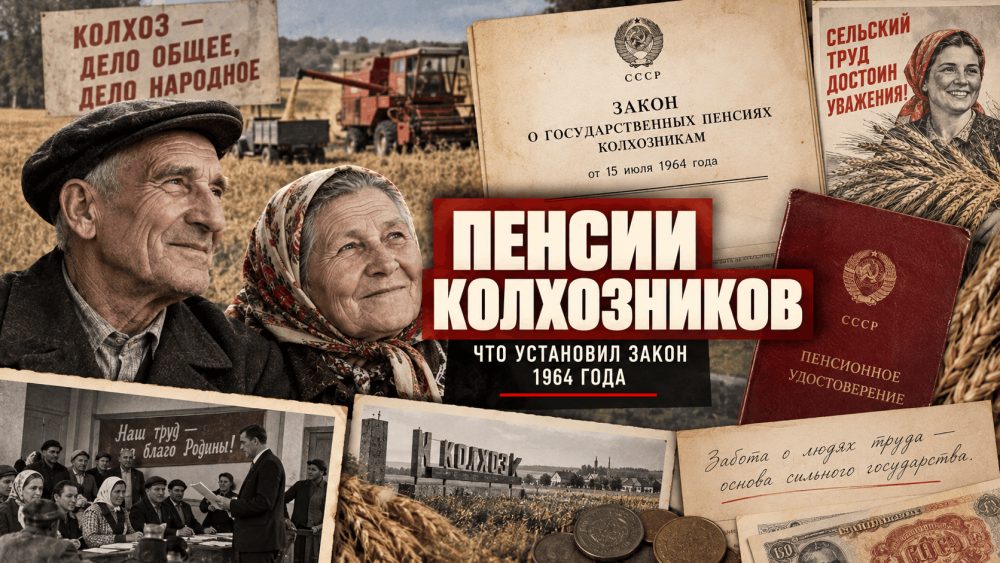
Collective-Farm Pensions: What the 1964 Soviet Law Established
How the 1964 law established collective-farm pensions: age and service requirements, the twelve-ruble minimum, calculation rules and implementation in 1965.
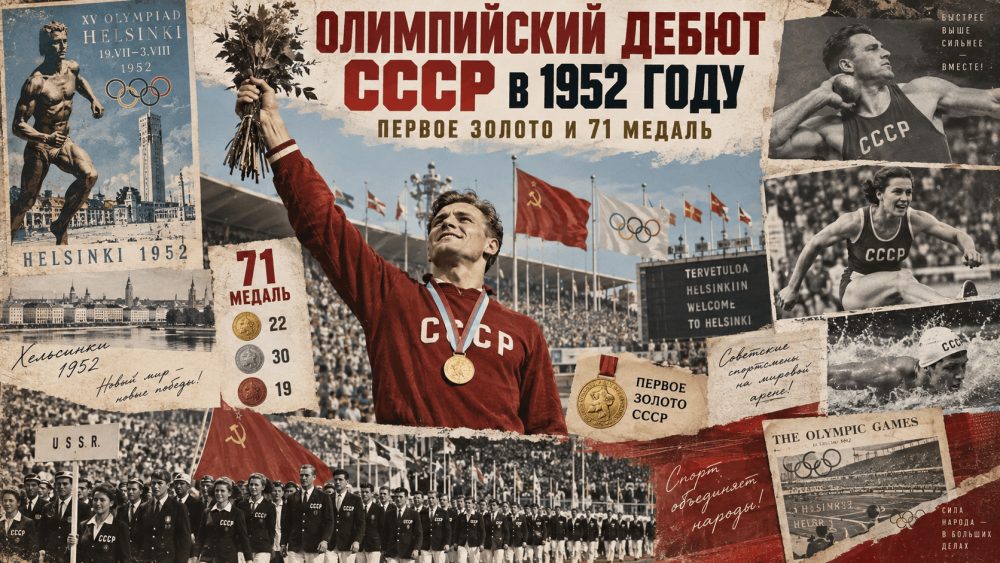
The Soviet Olympic Debut in 1952: First Gold and 71 Medals
Explore the Soviet Olympic debut at Helsinki 1952: Nina Romashkova’s first gold, 71 medals, Otaniemi accommodation and how to interpret the results.
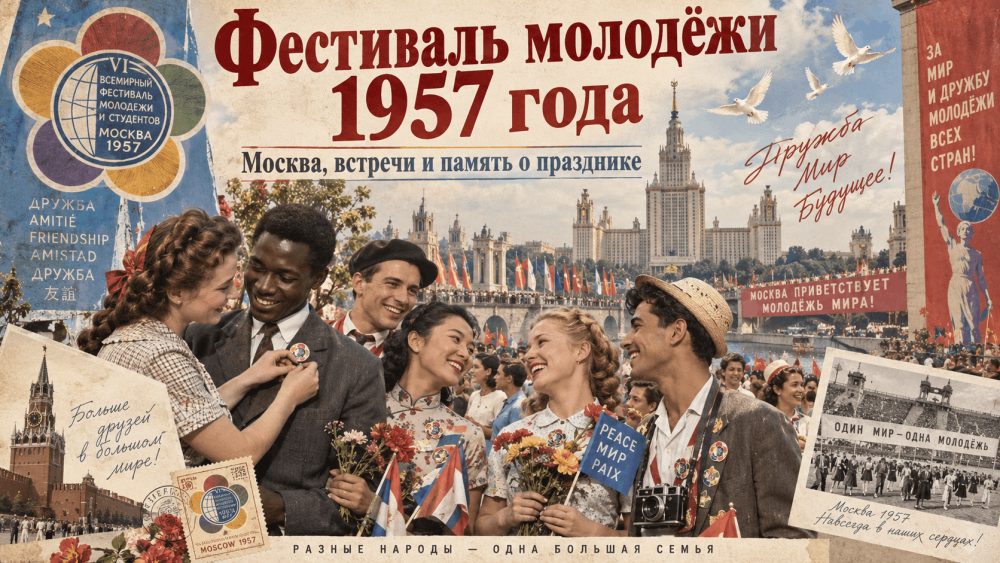
Moscow’s 1957 Youth Festival: Encounters, Preparations and Memory
Explore Moscow’s 1957 youth festival through its dates, international delegations, school preparations, personal archives and surviving festival souvenirs.
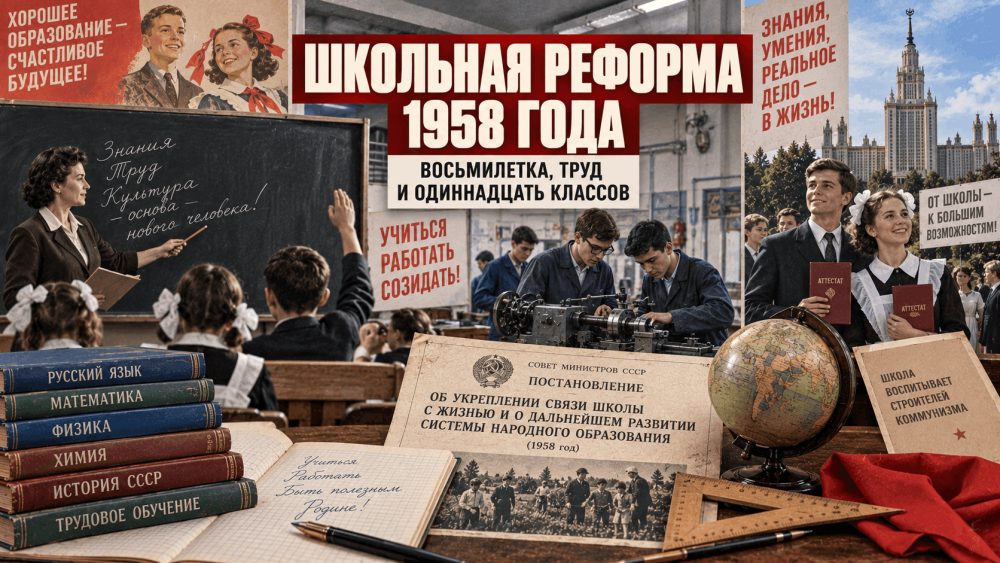
The 1958 Soviet School Reform: Eight Years, Work and Secondary Education
How the 1958 reform changed Soviet schools: compulsory eight-year education, production training and the return from eleven to ten years in 1964 to 1966.
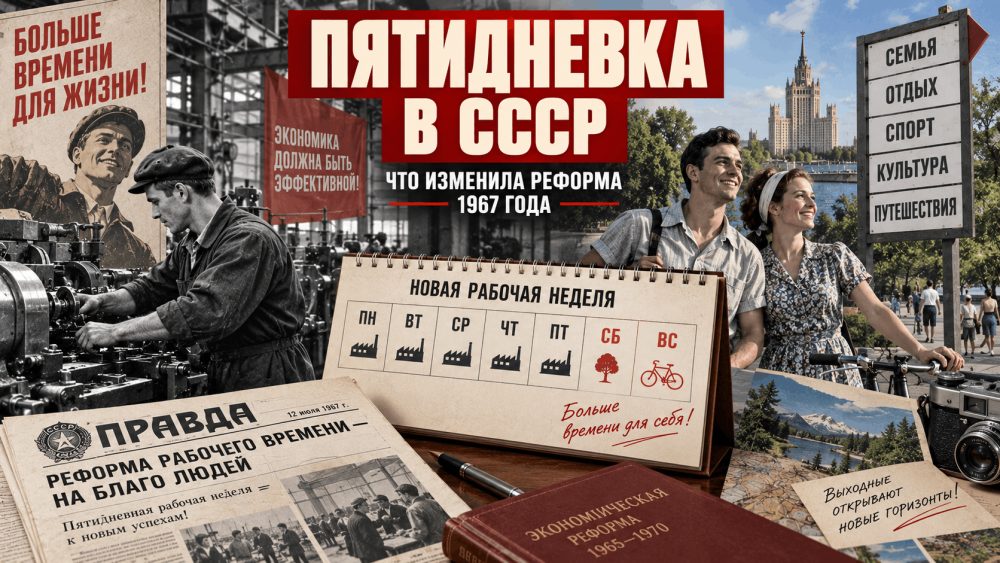
The Soviet Five-Day Working Week: What Changed in 1967
How the USSR introduced the five-day working week in 1967: two rest days, unchanged total hours, new schedules and exceptions, explained through original documents.
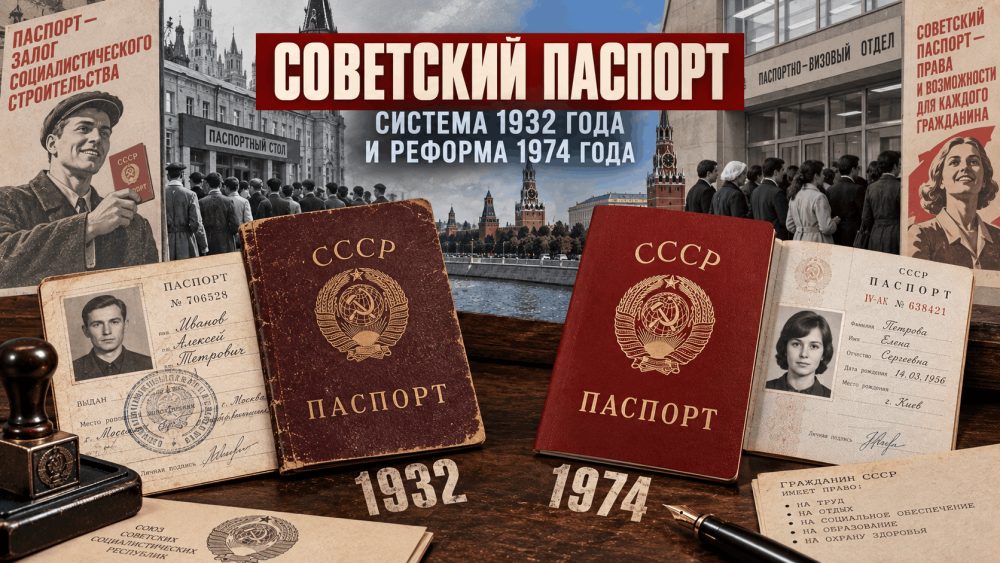
The Soviet Internal Passport: From 1932 to the 1974 Reform
Who received Soviet internal passports? Explore rural exceptions, residence registration and the 1974 reform, with new documents issued from 1976 to 1981.
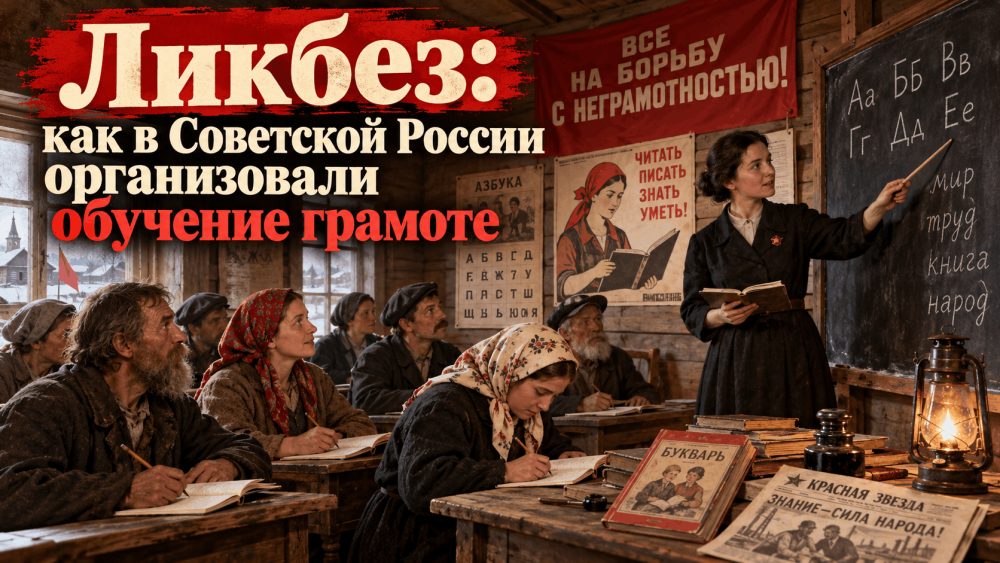
Likbez: How Soviet Russia Organised Literacy Education
What was likbez? Read how the 1919 decree and 1920 instructions organised literacy schools, from finding learners to teaching and assessing their skills.
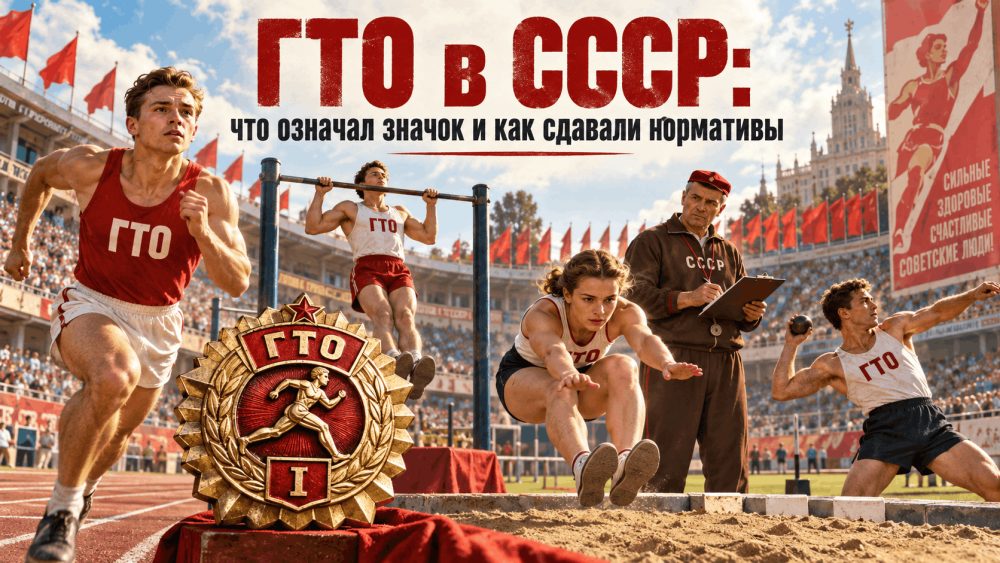
GTO in the USSR: What the Fitness Badge Meant
What did a Soviet GTO badge certify? Explore the programme, its five age stages, the 1972 reform and the records behind family memories of fitness tests.
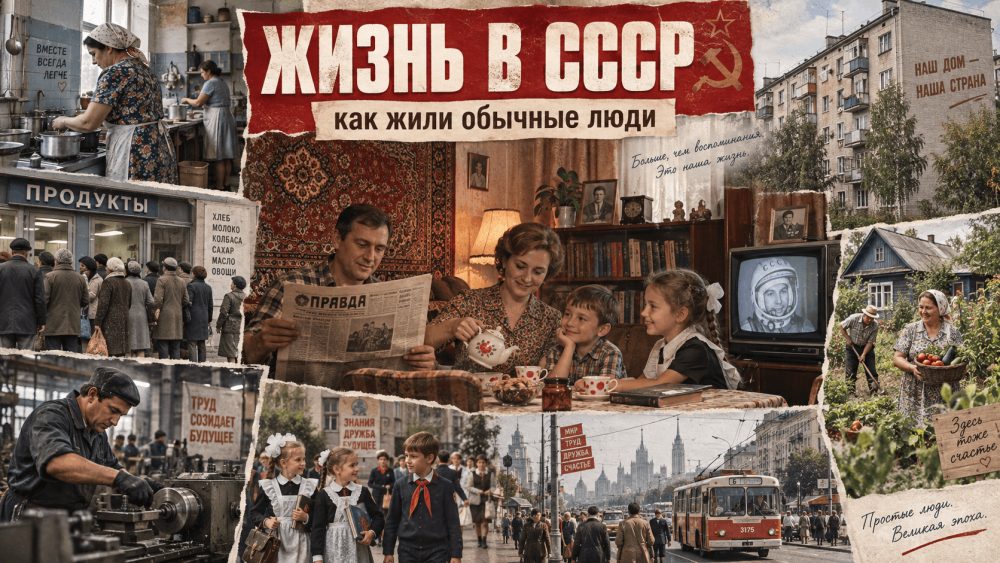
Life in the USSR: What Was Everyday Soviet Life Really Like?
Housing, work, shopping, school, health care and holidays. How everyday life in the Soviet Union changed across decades, regions and families.
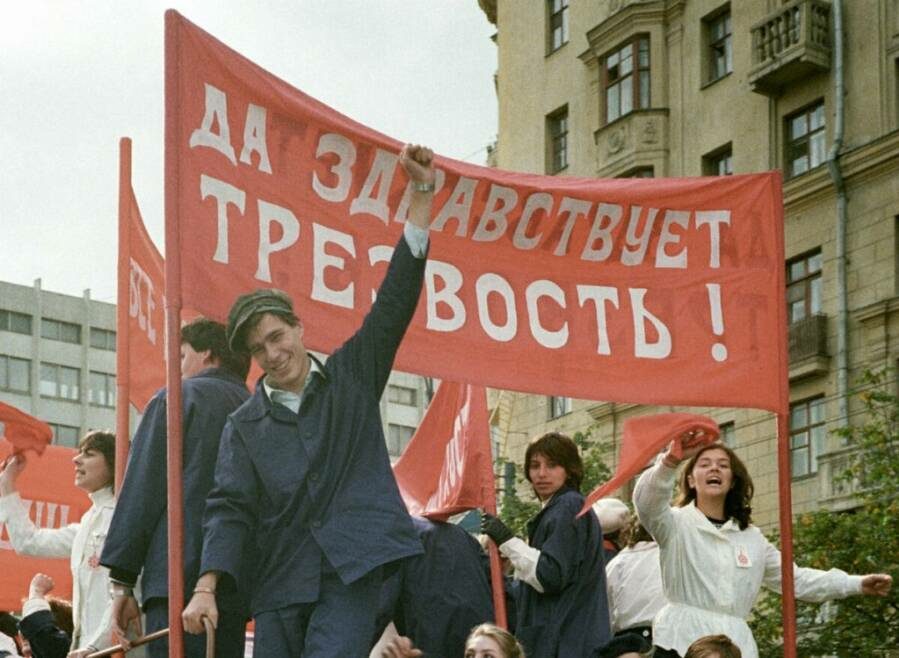
The Soviet dry law: the anti-alcohol campaign of 1985
A campaign that gave men two and a half extra years of life, cut down the vineyards of Crimea and blew a hole in the state budget. A rare case of a reform that saved millions of people and still went down in history as a failure.
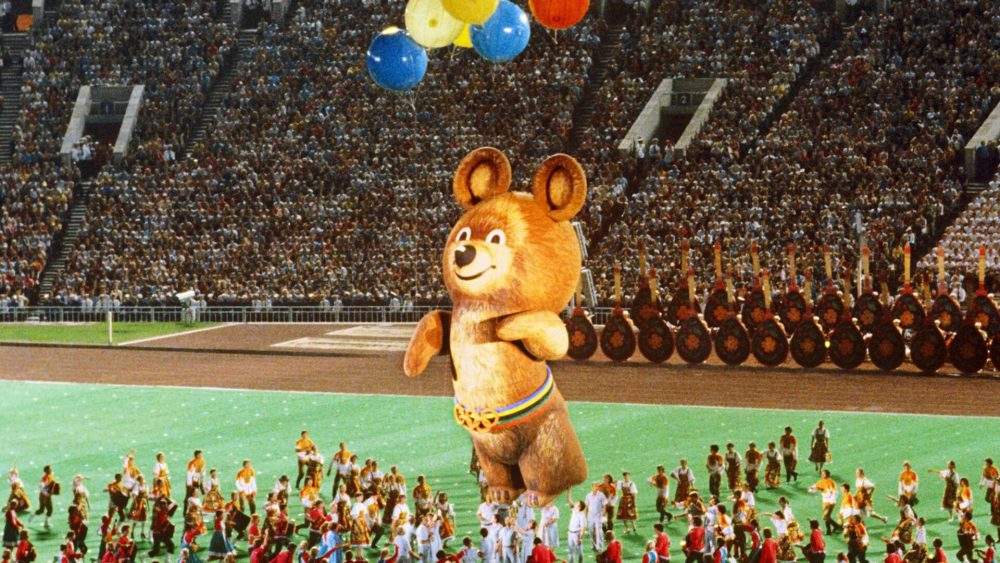
The 1980 Moscow Olympics: the party half the world skipped
The first Games ever held in a socialist country, the largest boycott in Olympic history, and a bear cub that made a stadium of one hundred thousand people cry. What actually happened in Moscow in the summer of 1980.
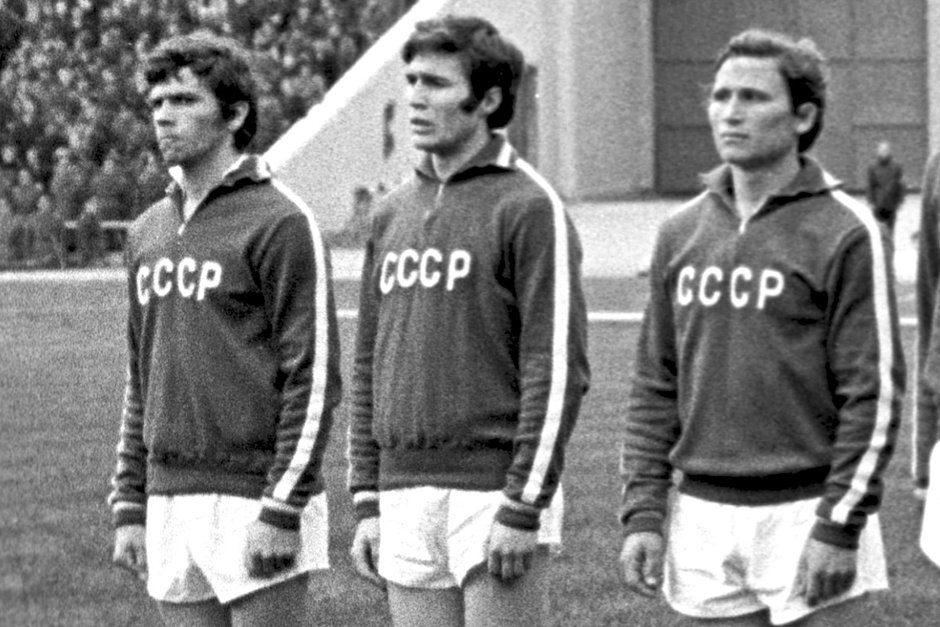
Soviet football: a country behind the black spider
A goalkeeper in black they called a spider, the only one in history given the Ballon d'Or. The first European Championship, won in 1960, clubs backed by a factory, the army and the Lubyanka, and a game the whole country played.
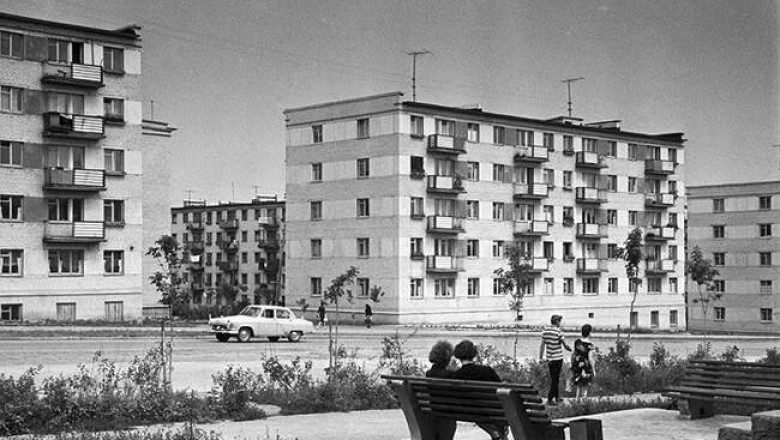
Khrushchyovki: how the country got separate flats
In the late 1950s the USSR began mass standardized housing — millions of families moved from communal flats into separate apartments for the first time.
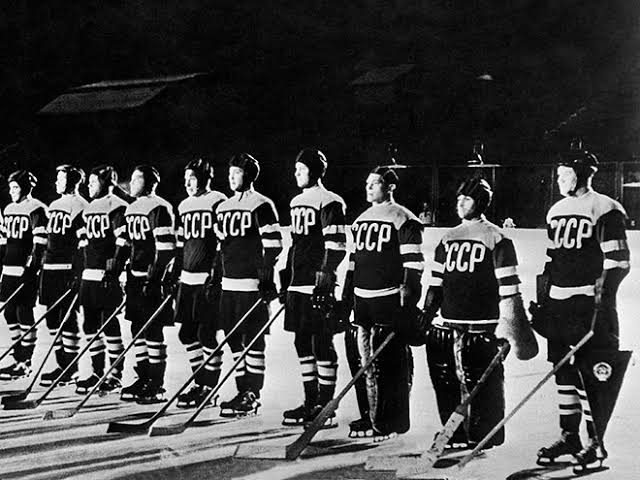
The Red Machine: how the USSR taught the world to play hockey
The country first saw ice hockey in 1946. Eight years later it crushed the game's founders 7 to 2, and twenty years after that it made Canada tremble until the final 34 seconds. The story of the most beautiful team machine in sports history, and the price its parts paid.
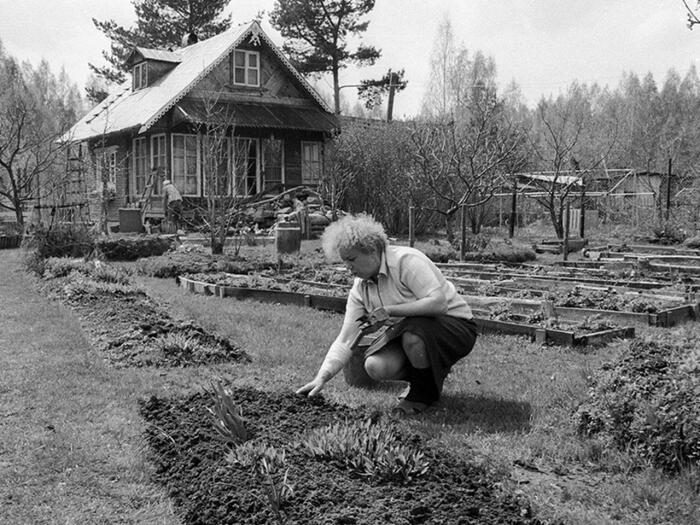
The dacha: six hundred square meters that fed a country
A tsar's gift that became a national religion. How tiny plots attached to factories grew into the food security system of an entire country, and why the word dacha entered the world's dictionaries untranslated.
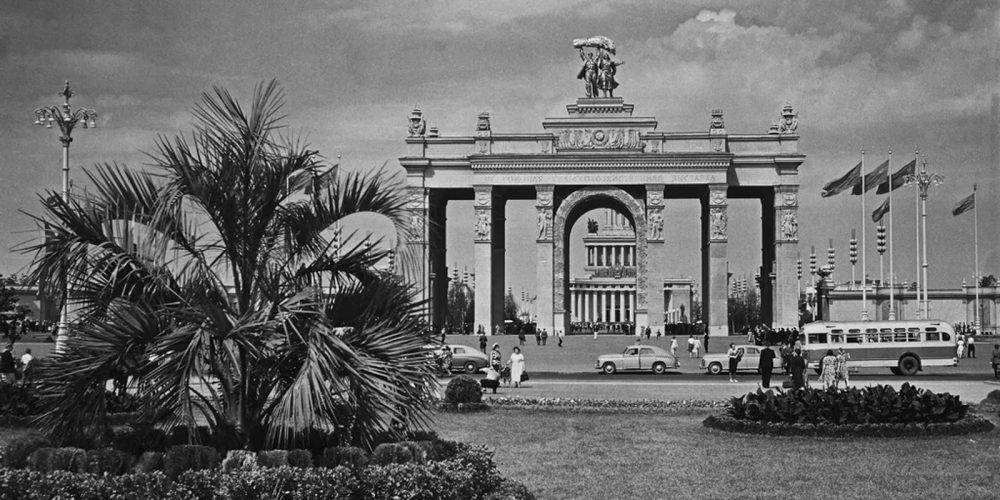
VDNKh: the showcase of a country that never was
An exhibition city with a palace for every republic, golden wheat sheaves and fountains, where the country displayed itself as it wished to be. The story of the "Soviet Versailles": from a parade of kolkhoz victories to the shashlik market of the nineties and back.
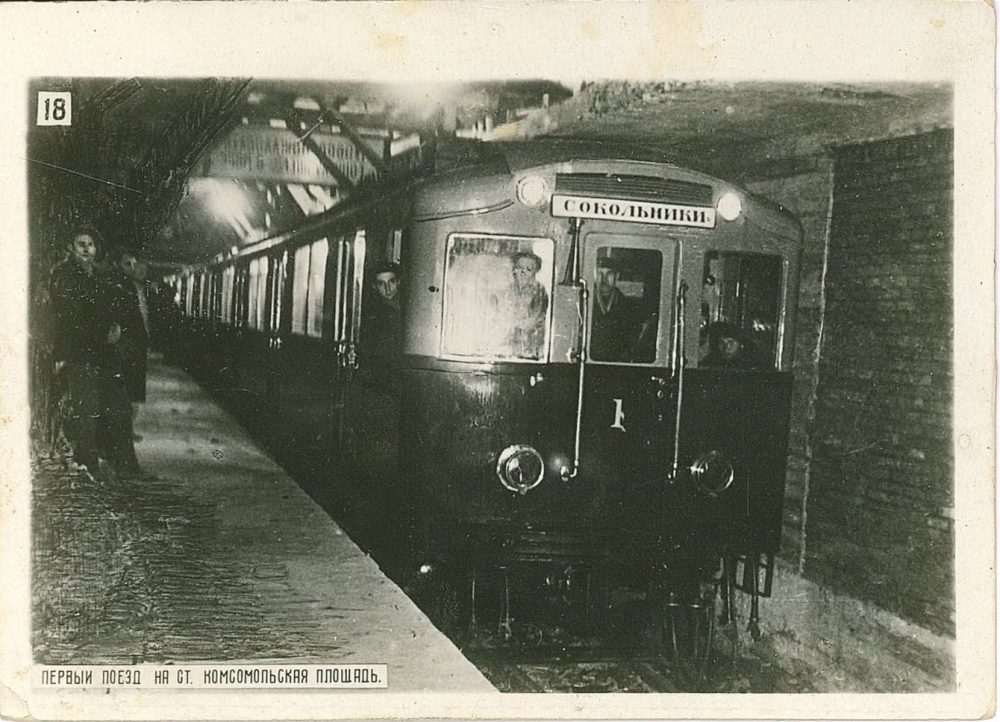
The Moscow Metro: palaces underground
A subway conceived as a showcase of socialism: marble, bronze, chandeliers and mosaics forty meters down. How the world's most beautiful metro was built, why ancient fossils hide in its walls, and what happened on its platforms during the war.
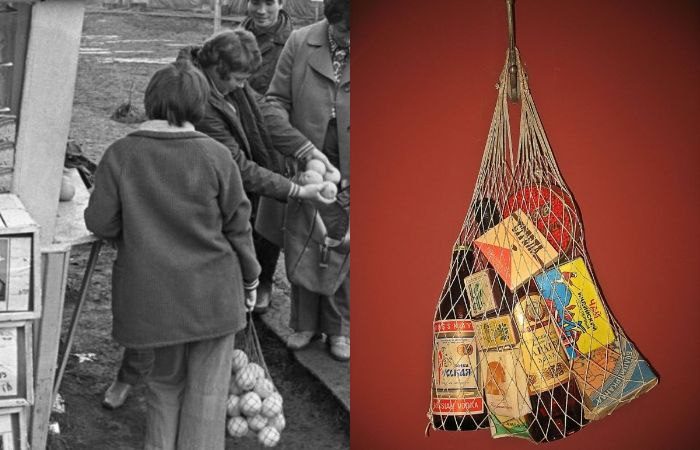
The avoska: a bag with hope in its name
A net that folded into a fist and stretched to seventy kilograms. A thing named after the word "avos," meaning "maybe," because in the USSR a purchase was always a matter of luck. A small story of a great shortage.
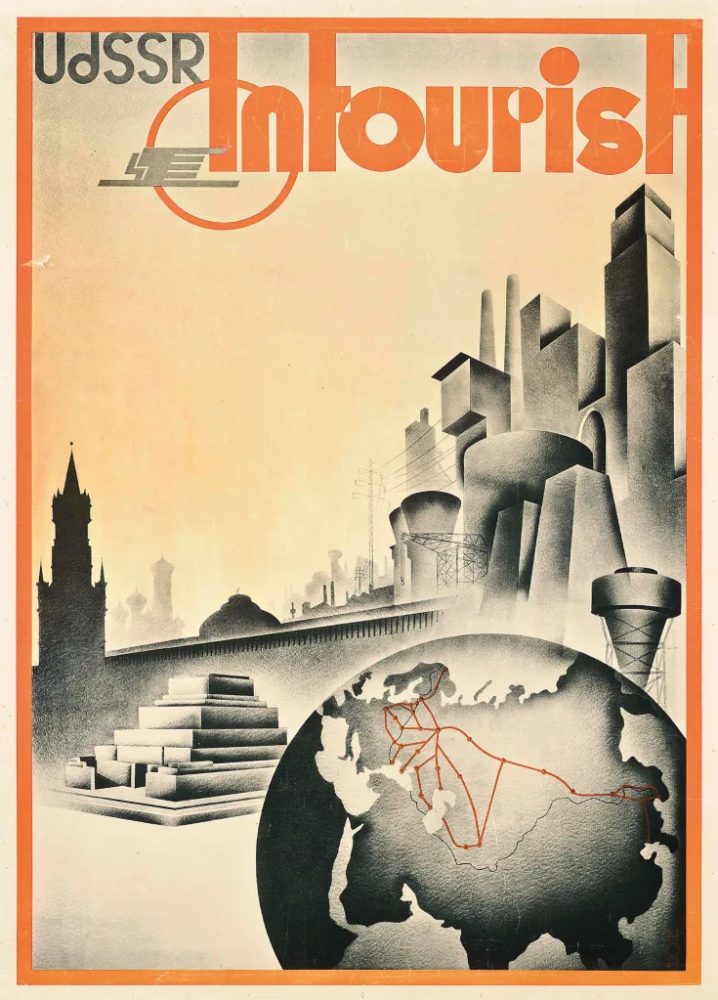
Intourist: the abroad they were shown
The only office through which a foreigner could enter the USSR, hotels that barred the locals, and a guide behind whose smile stood the Lubyanka. How a country behind the Iron Curtain sold itself to the world, and what it hid while doing so.
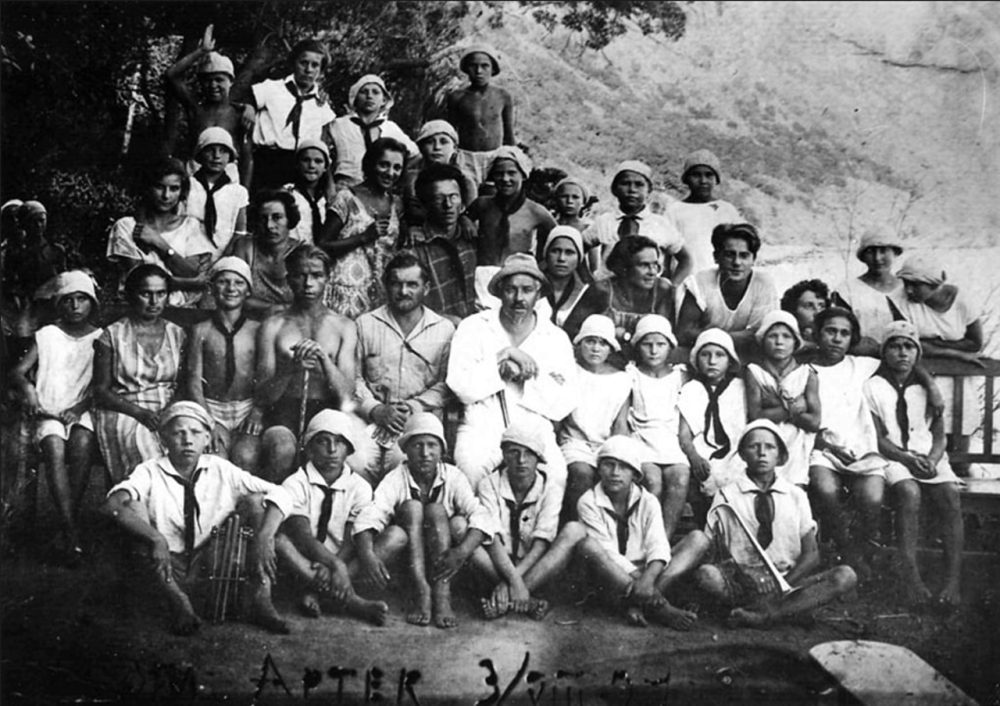
Artek: the country of childhood at Bear Mountain
Four canvas tents and eighty children in 1925. A million and a half children over a century, the longest camp session in history lasting an entire war, and an American girl who came to stop a cold one. The story of the Soviet Union's most famous camp.
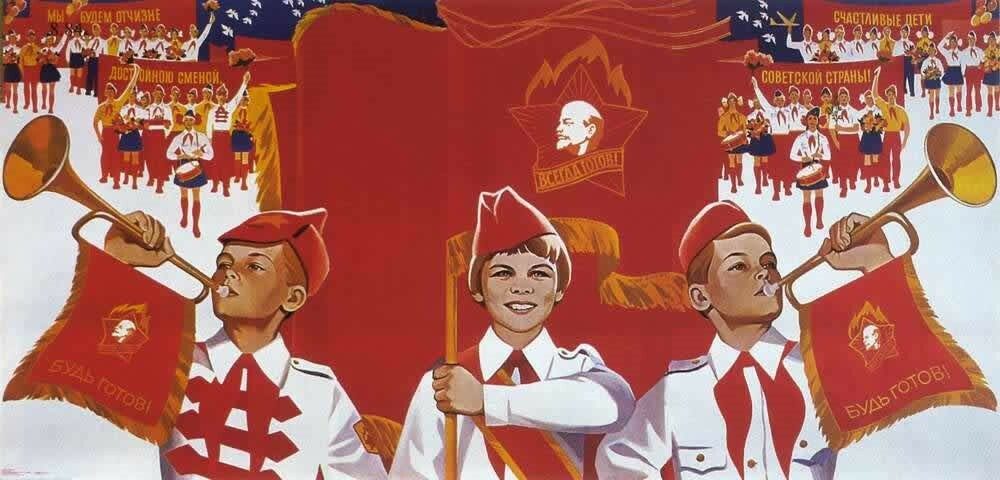
The Young Pioneers: the red scarf and a Soviet childhood
Almost all Soviet children passed through the Pioneer organization. The red scarf, the motto "Always ready!", the "Artek" camp — and two sides to the story: warm memories and ideology.
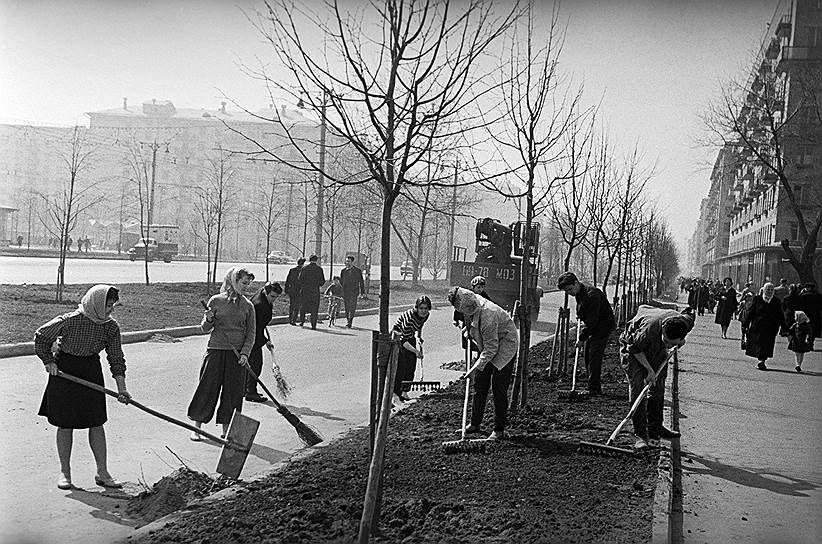
The subbotnik: how a country cleaned up for free and almost willingly
Fifteen workers repairing locomotives for free at night, a log on the leader's shoulder, and a whole country with rakes every spring. The story of a ritual that began as a sincere impulse and ended as a compulsory day off with a broom.
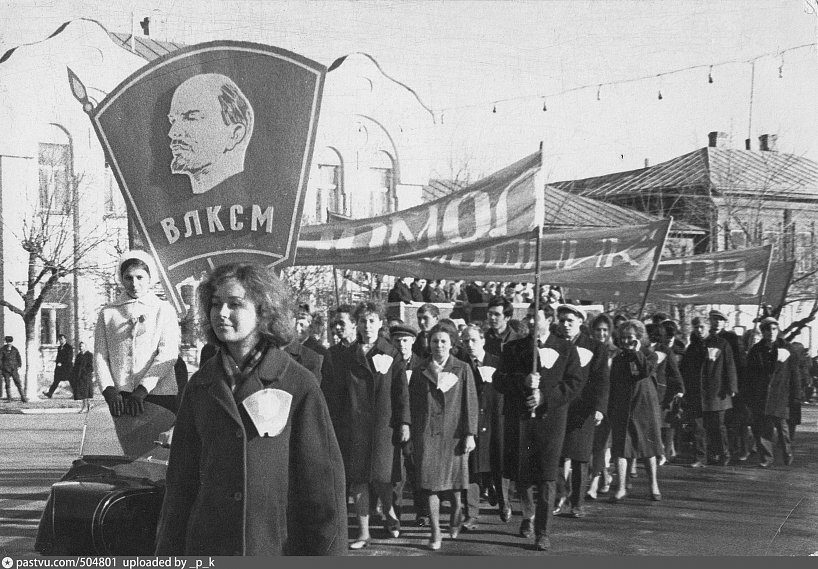
The Komsomol: forty million people in one organization
The rung between the red scarf and the party card, climbed by nearly all Soviet youth. Construction sites on swamps and virgin steppe, a badge that opened careers, and a finale in which Komsomol activists became the country's first capitalists.
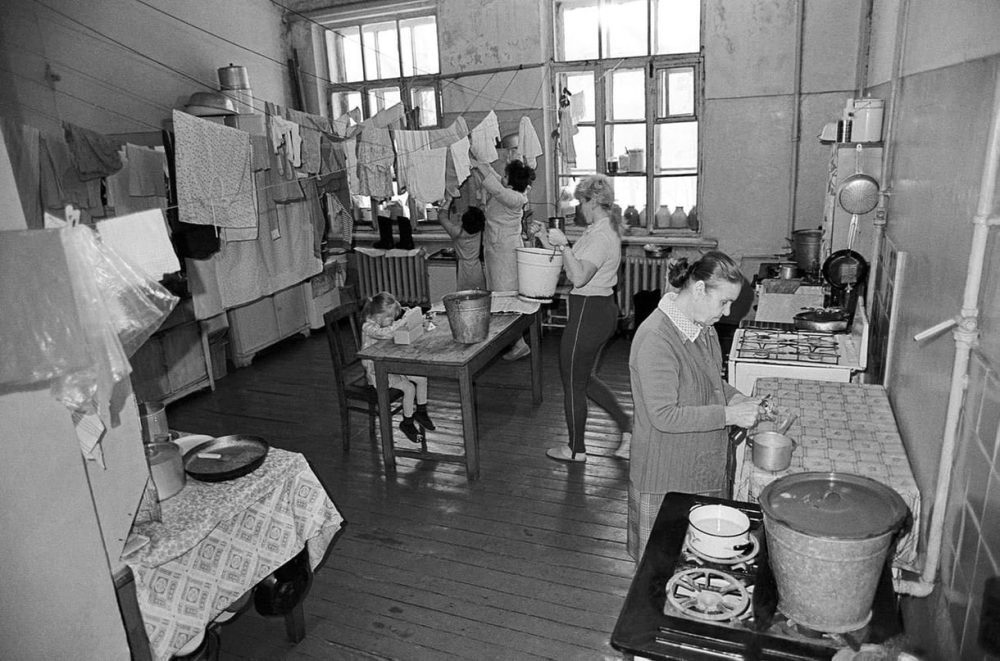
The kommunalka: life behind a shared door
Five doorbells on one door, a cleaning schedule on the wall and a morning line for the bathroom. How apartments confiscated from the "former people" became the country's main housing for half a century — and a school of life for three generations.
Section guide
Everyday life in the USSR: housing, work, school and social policy
Soviet history cannot be understood only through Party congresses, wars and economic plans. For most people, the country was experienced through an apartment, school, workplace, queue, courtyard, dacha and public transport. Living conditions differed greatly between the 1930s and the 1980s, between large cities and rural areas, and across the union republics. This section therefore avoids inventing a single “average Soviet citizen” and instead follows several different parts of everyday experience.
Housing makes those changes especially visible. The article on communal apartments describes a world in which several families shared one kitchen and bathroom, while the history of Khrushchev-era mass housing follows the mass-building program that moved millions of households into separate apartments. Even a small standardized flat could represent a profound improvement in privacy. At the same time, housing queues, workplace allocation and regional inequality remained important features of the system.
The state also regulated mobility. The guide to the Soviet passport system helps explain how internal passports and residence registration tied legal residence to particular places and why the position of urban workers and collective farmers differed for many years. Social policy changed as well: education expanded, working time was reduced, paid leave became more common, and the article on the 1956 pension reform shows how pension rules for workers and employees were reorganized in the mid-1950s. Separate provisions were later extended to collective farmers.
Daily life, however, was never only a set of regulations. It also meant sport, holidays, films, travel, personal possessions and the practical methods people used to cope with shortages. The history of the Soviet dacha shows how a small plot could function at once as leisure, family tradition and a source of food. Across this section, schools and metro stations stand beside youth camps, shopping bags, football and pensions, creating a more human answer to a basic historical question: what did an ordinary day in the Soviet Union actually feel like?
It is especially important not to project the experience of one generation onto the entire Soviet period. Someone raised in a communal apartment in the 1930s, a family receiving a separate flat in the 1960s and a young specialist during perestroika lived in the same country but under very different rules and expectations. The articles therefore anchor everyday experience to specific reforms, dates and institutions, making it easier to separate personal memory from the conditions that existed at a particular moment.