Science & Space
The space programme, the atomic project and big science.
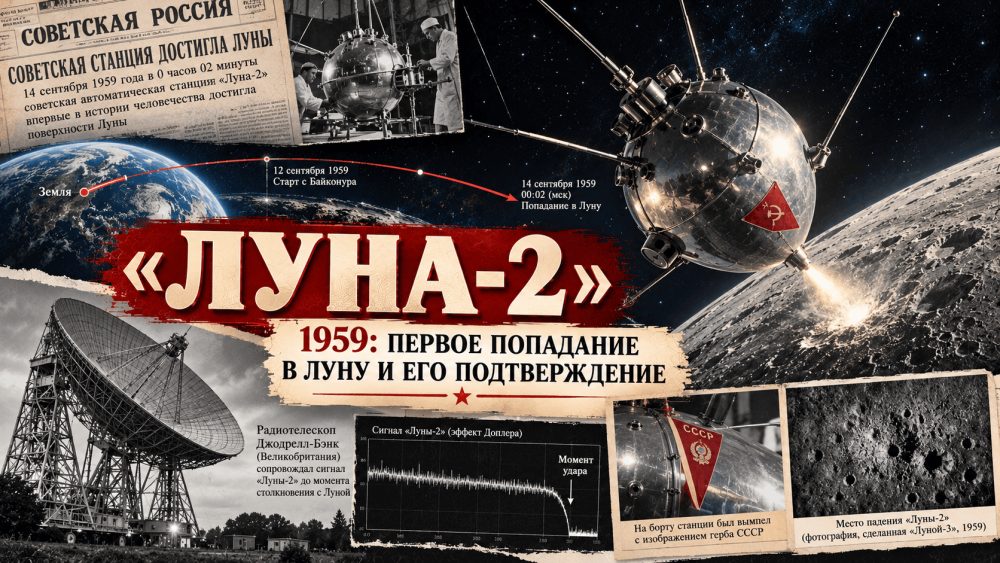
Luna 2 in 1959: The First Lunar Impact and Its Confirmation
Why Luna 2 was sent to impact the Moon, how Jodrell Bank tracked the flight and why accounts record both 13 and 14 September 1959.
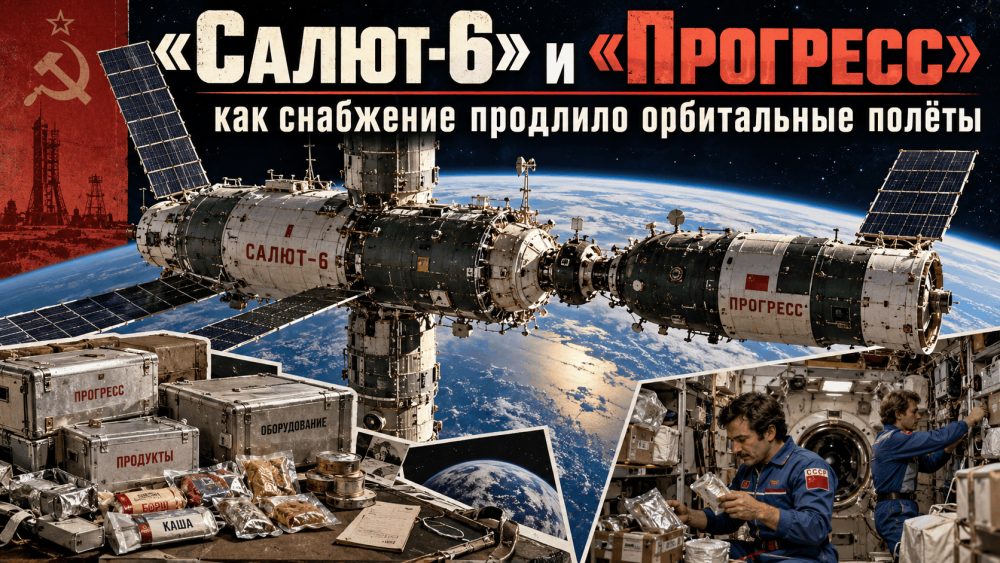
Salyut 6 and Progress: How Resupply Extended Spaceflight
Why Salyut 6 needed two docking ports, how Progress differed from Soyuz and how deliveries of supplies supported longer orbital expeditions.
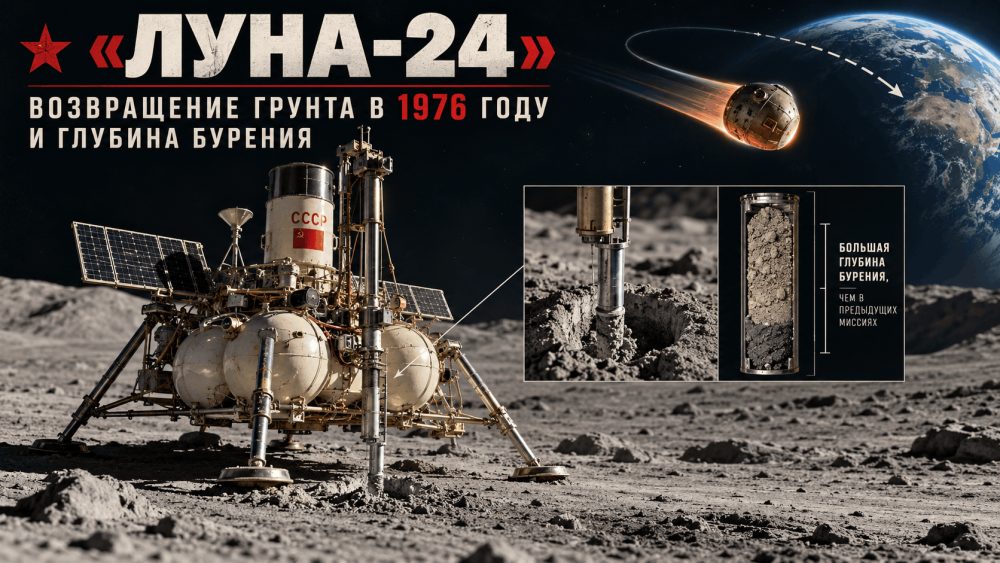
Luna 24: The 1976 Sample Return and Its Drill Core
How Luna 24 returned about 170 grams of material from Mare Crisium, and why a drilling depth of two metres differs from the length of its recovered core.
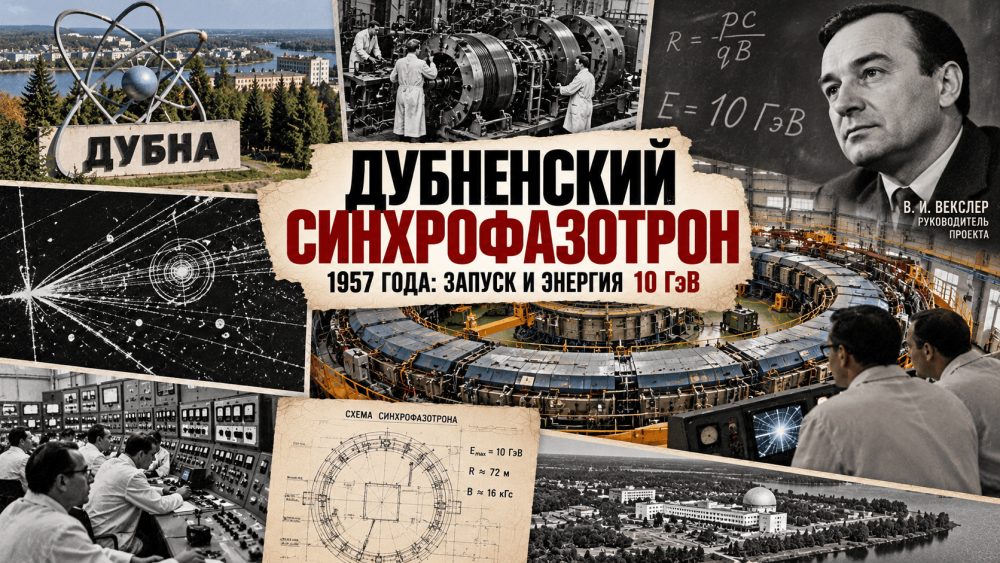
Dubna’s Synchrophasotron in 1957: Startup and the 10 GeV Milestone
Why Dubna’s Synchrophasotron started in March but reached 10 GeV in April 1957: Veksler, the magnet, particle acceleration and the machine’s purpose.
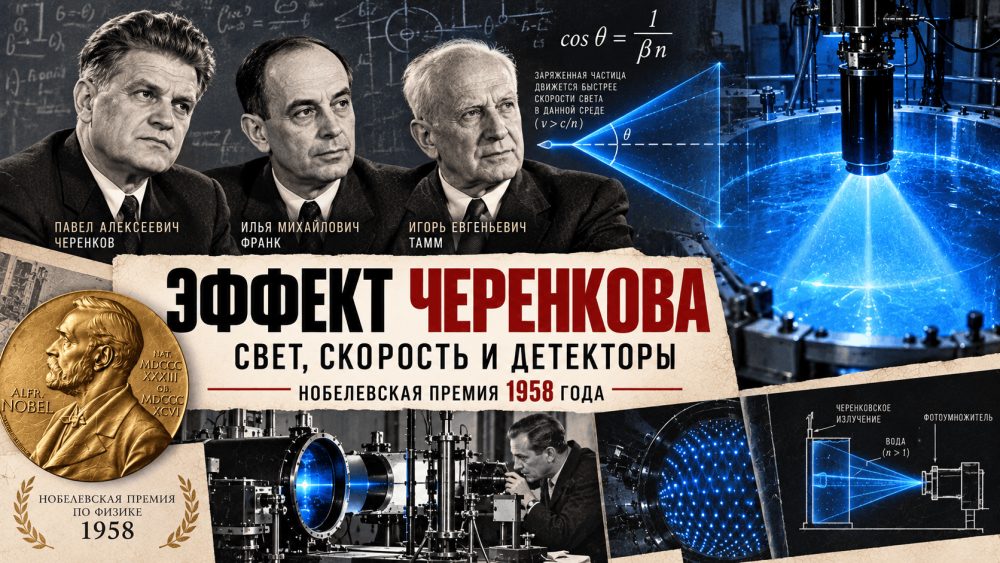
The Cherenkov Effect and the 1958 Nobel Prize: Light, Speed and Detectors
Why Cherenkov, Frank and Tamm won the Nobel Prize: the radiation threshold, light cone and why particles do not exceed the speed of light in a vacuum.
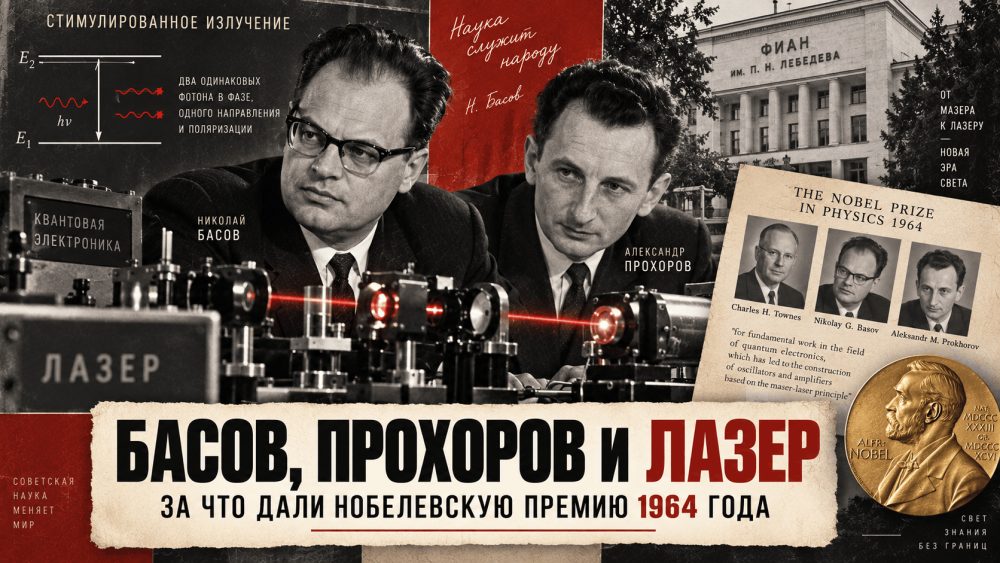
Basov, Prokhorov and the Laser: What the 1964 Nobel Prize Recognized
The Soviet contribution to quantum electronics: research at Lebedev, masers versus lasers, pumping and why Maiman built the first working laser.
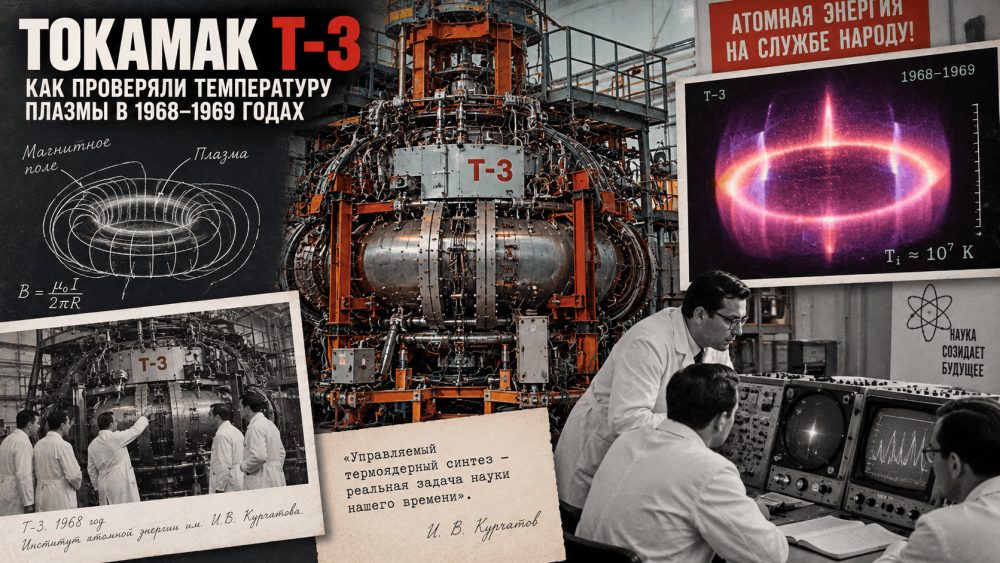
Tokamak T-3: Checking Plasma Temperature in 1968-1969
How T-3 was checked: the 1968 conference, Culham researchers, laser diagnostics and the difference between hot plasma and electricity generation.
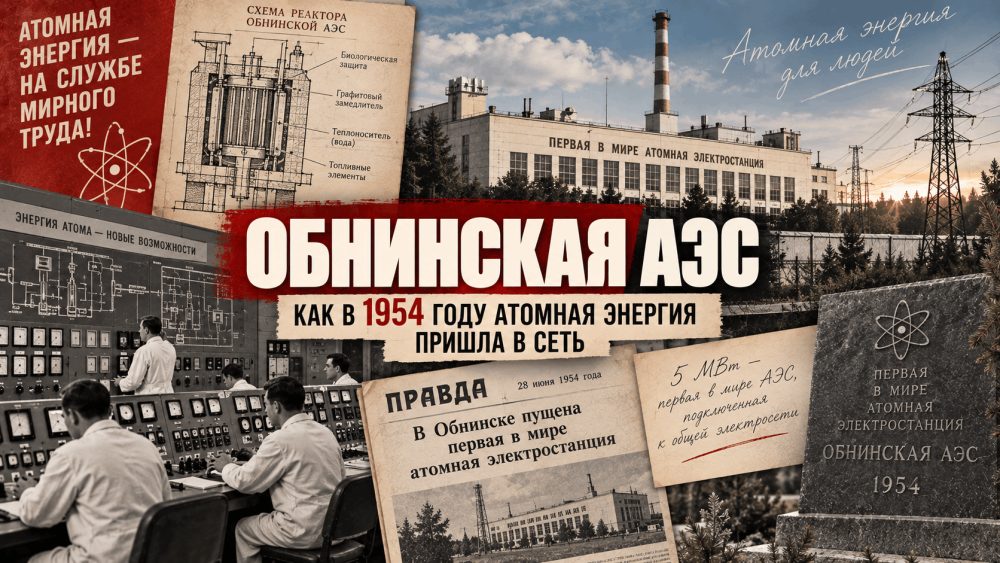
Obninsk in 1954: How Nuclear Power Reached the Electricity Grid
What made Obninsk a first: EBR-I, the 1954 startup stages, electrical versus thermal power, research work and the station’s final shutdown.
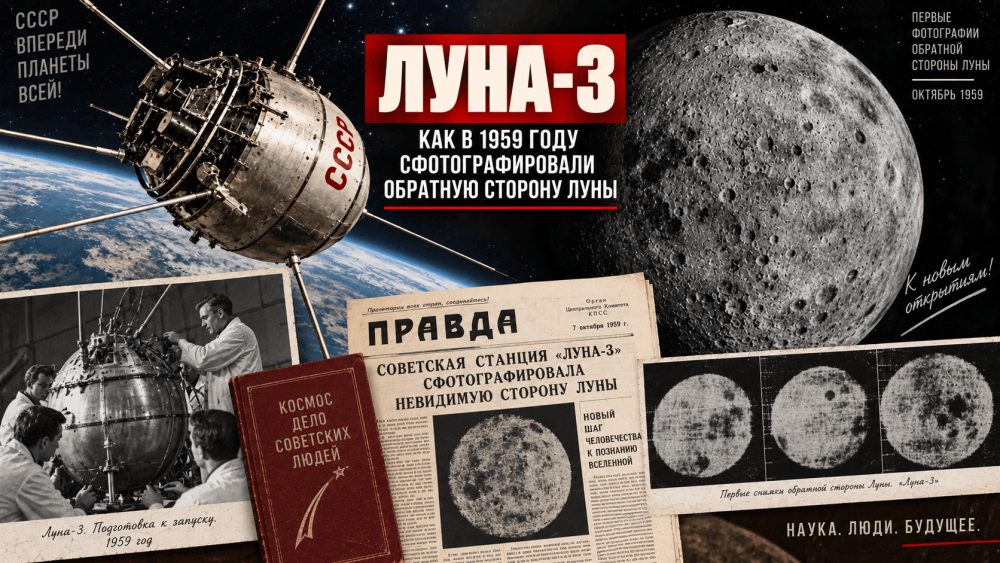
Luna 3: How the Moon’s Far Side Was Photographed in 1959
How Luna 3 photographed the Moon’s far side on 7 October 1959: the flyby, onboard film development, radio transmission and what the first images revealed.
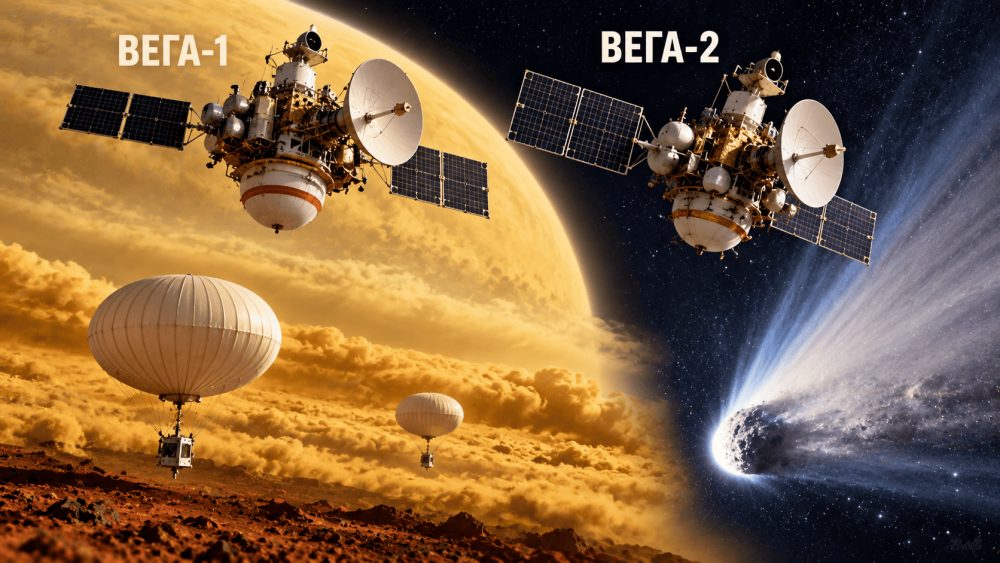
Vega 1 and Vega 2: Venus Balloons and Halley’s Comet
Vega 1 and Vega 2 delivered balloons to Venus before flying past Halley. Their journey linked atmospheric measurements with an international comet campaign.
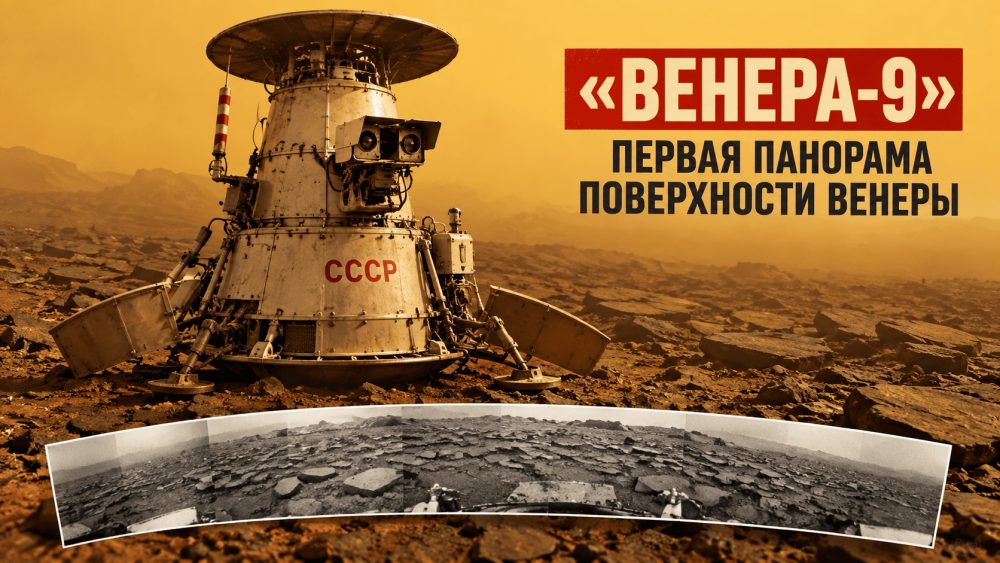
Venera 9: The First Panorama from the Surface of Venus
Venera 9 returned a black-and-white view of Venus on 22 October 1975. The panorama joined a brief surface operation with an orbital science mission.
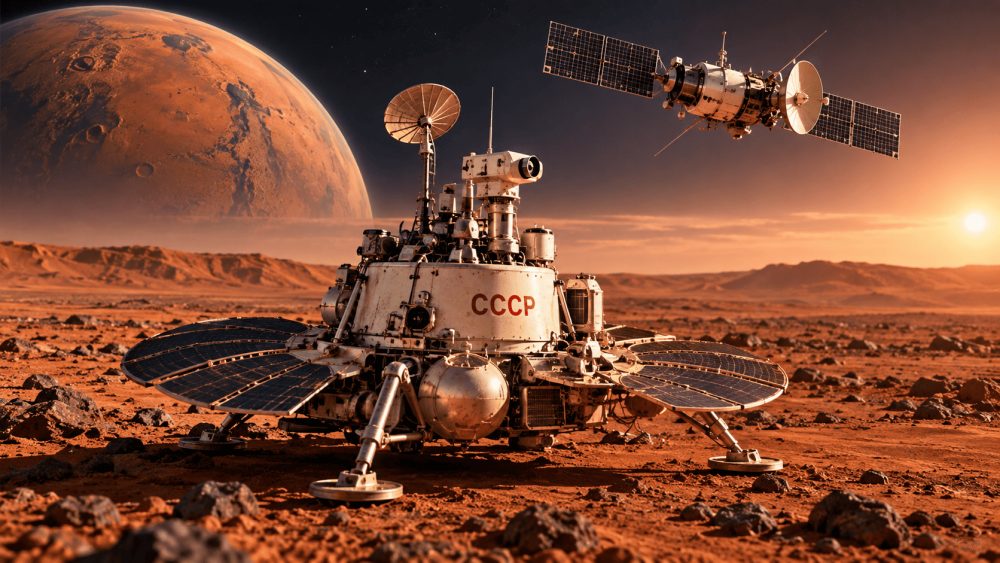
Mars 3: The First Soft Landing on Mars and Lost Contact
Mars 3 soft-landed on 2 December 1971, then fell silent seconds later. Its history separates an engineering first from an unfinished surface mission.
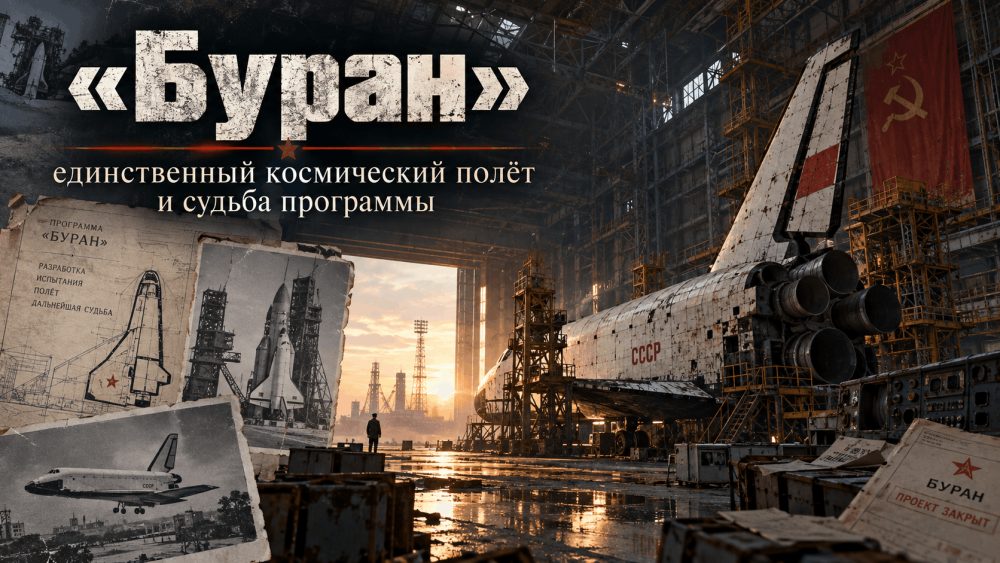
Buran: Its Only Spaceflight and Why the Program Ended
Buran completed two orbits and an automatic landing on 15 November 1988. The flight succeeded, but the Soviet shuttle never entered regular service.
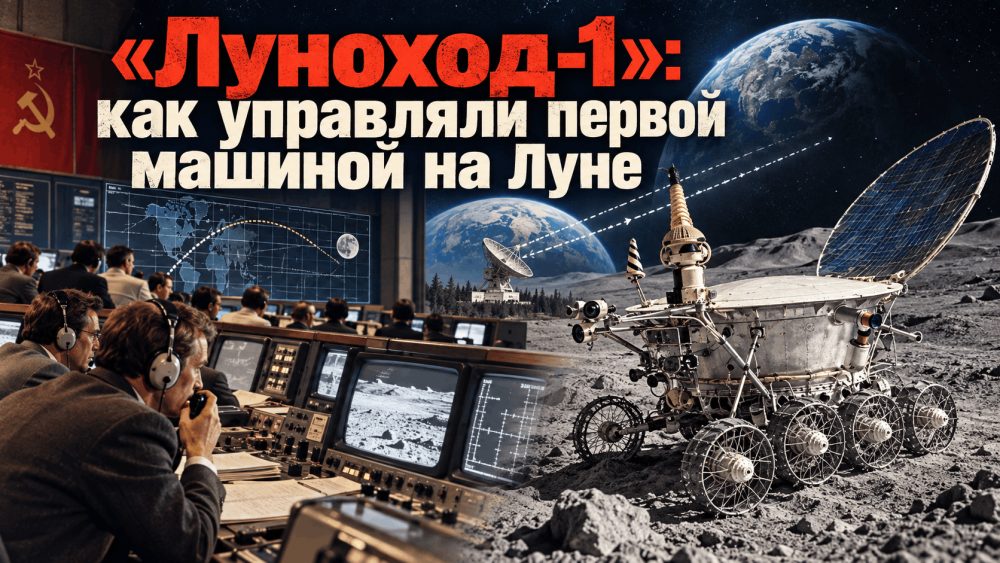
Lunokhod 1: Driving the First Rover on the Moon
Lunokhod 1 explored the Moon under the direction of a team on Earth. Decades after its final drive, its passive reflector found a new scientific role.
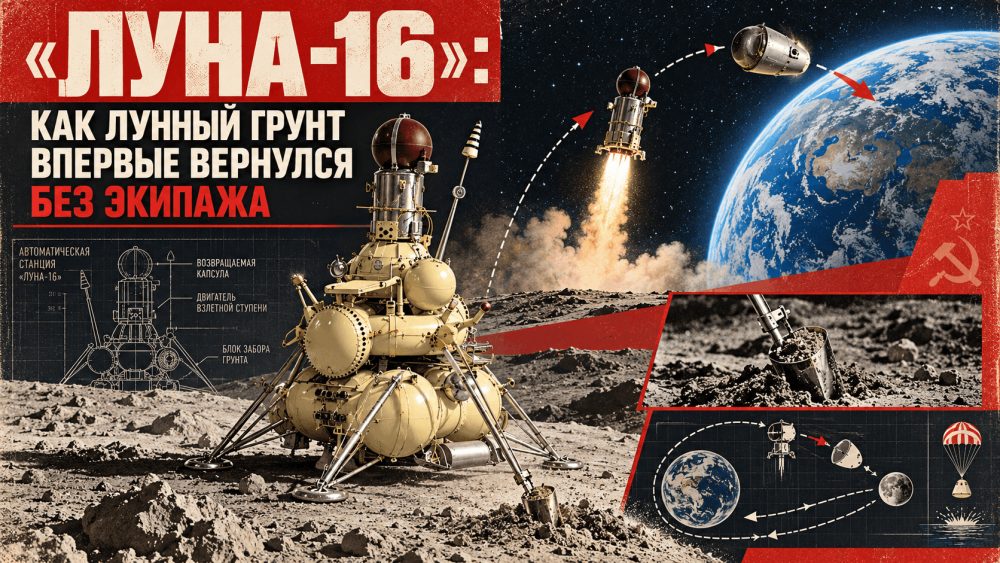
Luna 16: The First Robotic Return of Moon Samples
On 24 September 1970, Luna 16 delivered lunar material to Earth without a crew. Its journey linked a robotic drilling operation with laboratory science.
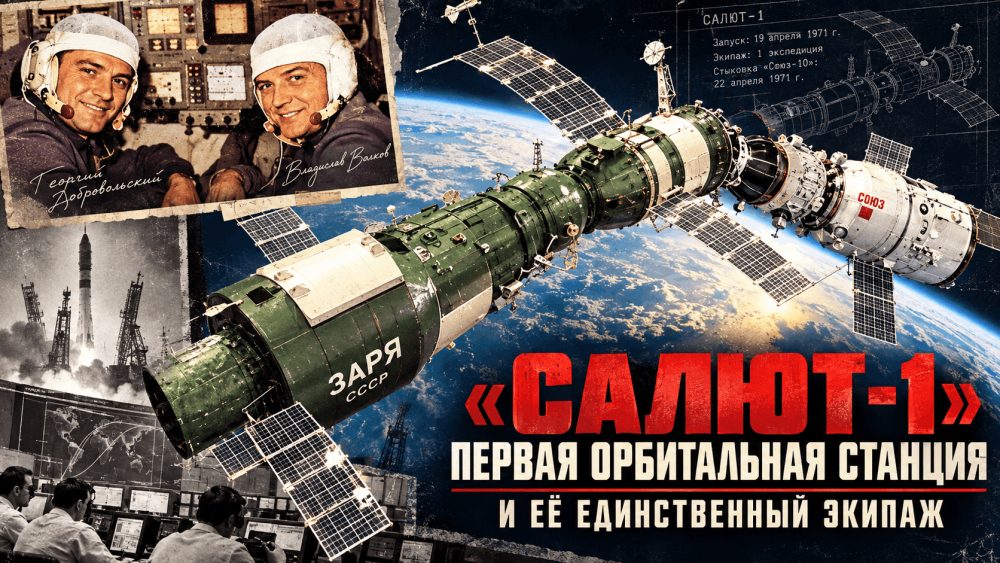
Salyut 1: The First Space Station and Its Only Resident Crew
Launched in 1971, Salyut 1 introduced life and research aboard an orbital station. Its only resident crew made history before the tragedy of Soyuz 11.
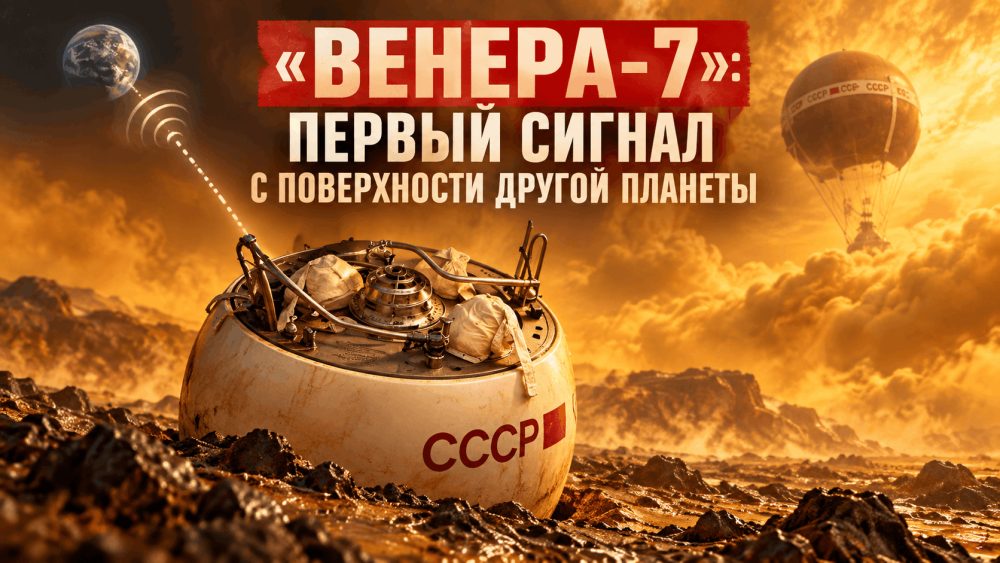
Venera 7: The First Signal from Another Planet’s Surface
Venera 7 reached Venus on 15 December 1970. A faint transmission recovered from the recordings established the first working landing on another planet.
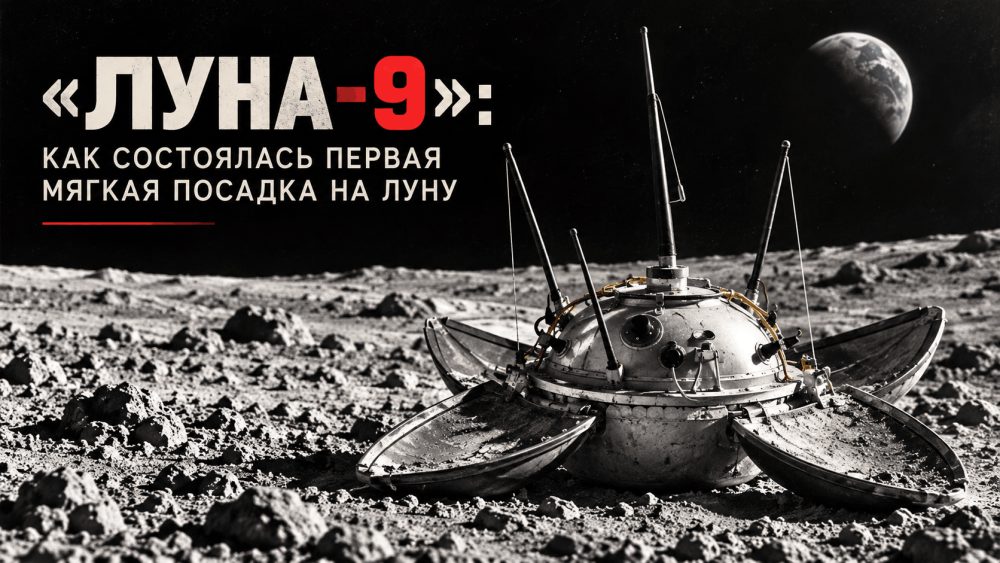
Luna 9: How the First Successful Moon Landing Worked
On 3 February 1966, Luna 9 survived a lunar landing and returned pictures from the ground. Its small capsule answered a practical question about exploring the Moon.
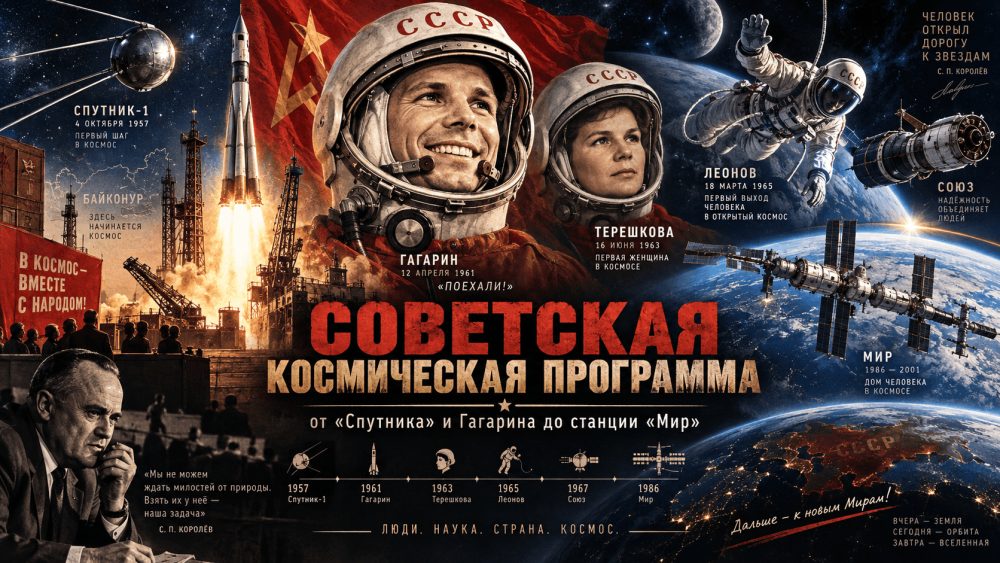
Soviet Space Program: From Sputnik and Gagarin to Mir
The USSR launched the first satellite, sent the first human into space and built the first space station, but lost the race to land people on the Moon. The full story from the R-7 and Korolev to Mir.
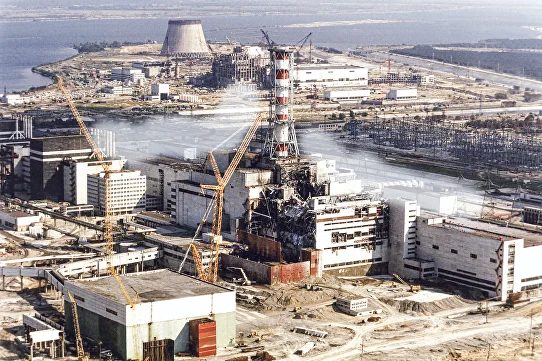
Chernobyl: the worst accident in the history of nuclear power
On 26 April 1986 the explosion at the Chernobyl plant became the worst nuclear accident in history. In depth: what happened, why the authorities stayed silent, how the disaster was cleaned up, and how many were harmed.
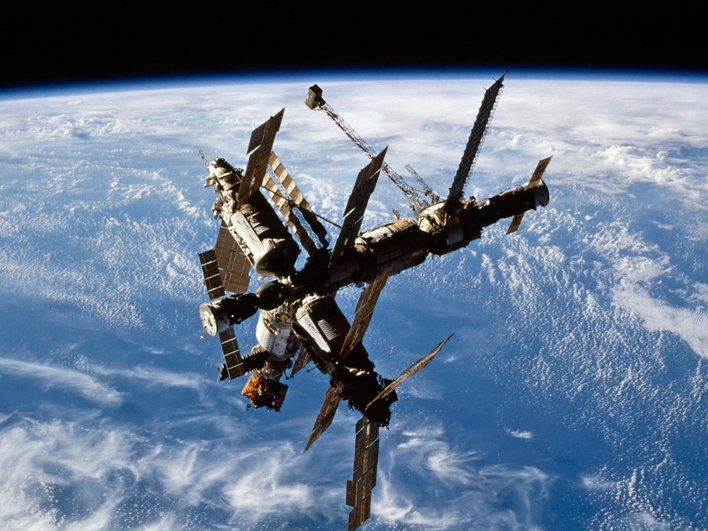
Mir: fifteen years of a home in orbit
It was assembled in space over ten years like a construction set, designed to last five, and served fifteen. The story of the station where a human first lived 437 consecutive days in weightlessness, and where former enemies learned to work together.
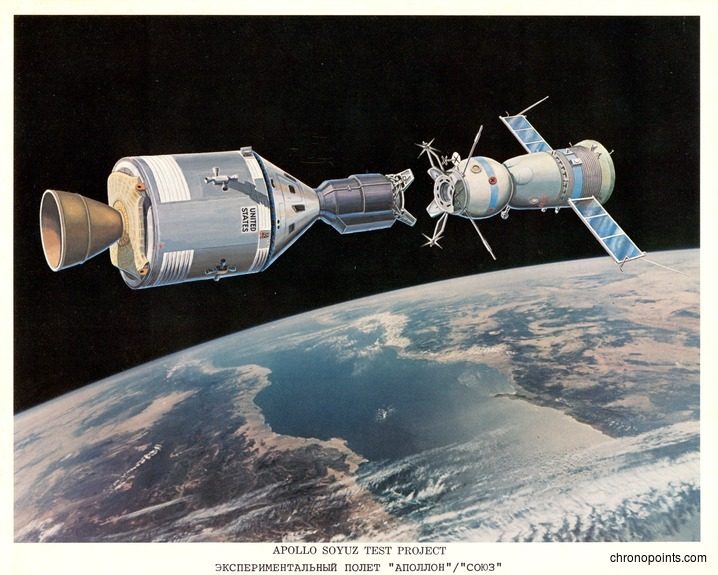
Apollo-Soyuz: a handshake above the planet
Two spacecraft of two enemies docked in orbit, and a hand extended through a hatch over France. How the USSR and the USA flew to space together at the height of the Cold War, why Leonov brought tubes labeled "vodka," and why the ISS would not exist without this flight.
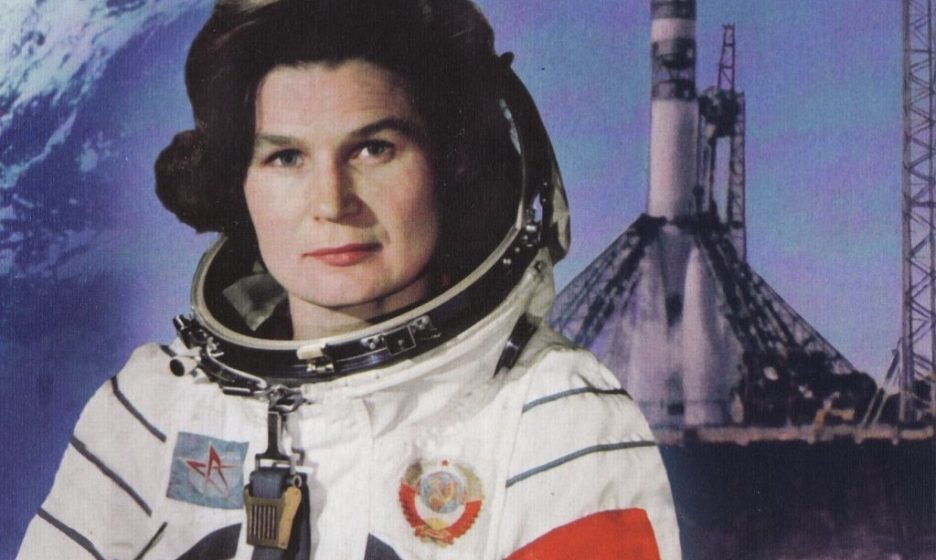
Valentina Tereshkova: the first woman in space
On 16 June 1963 Valentina Tereshkova, aboard Vostok 6, became the first woman in space. A former factory worker and skydiver — and still the only woman to have flown a solo mission.
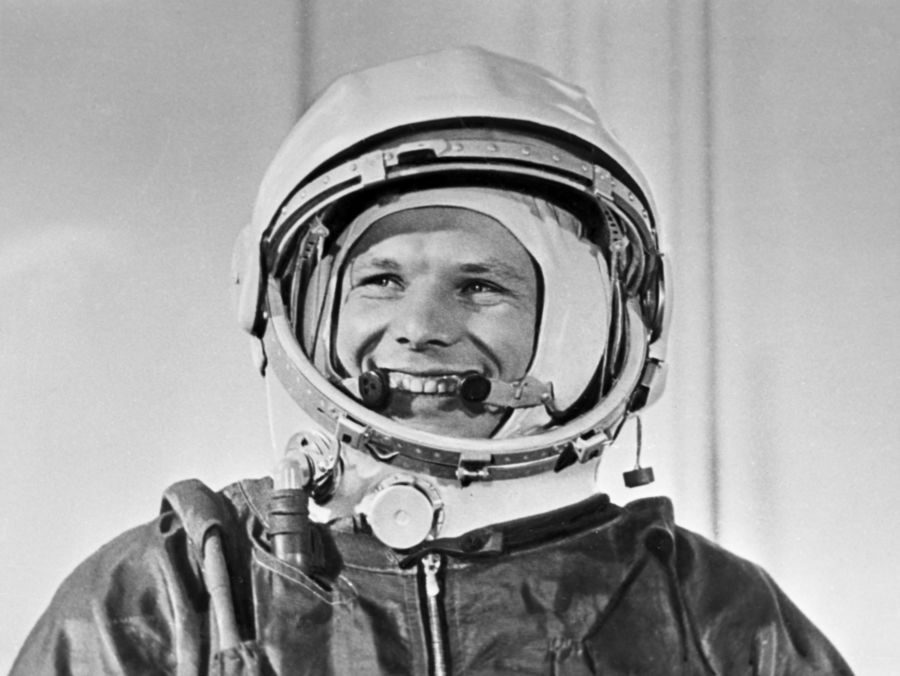
Yuri Gagarin: the first human in space
On 12 April 1961 Yuri Gagarin became the first human in space. His path from a Nazi-occupied village to orbit, a dramatic return, worldwide fame and a mysterious death.
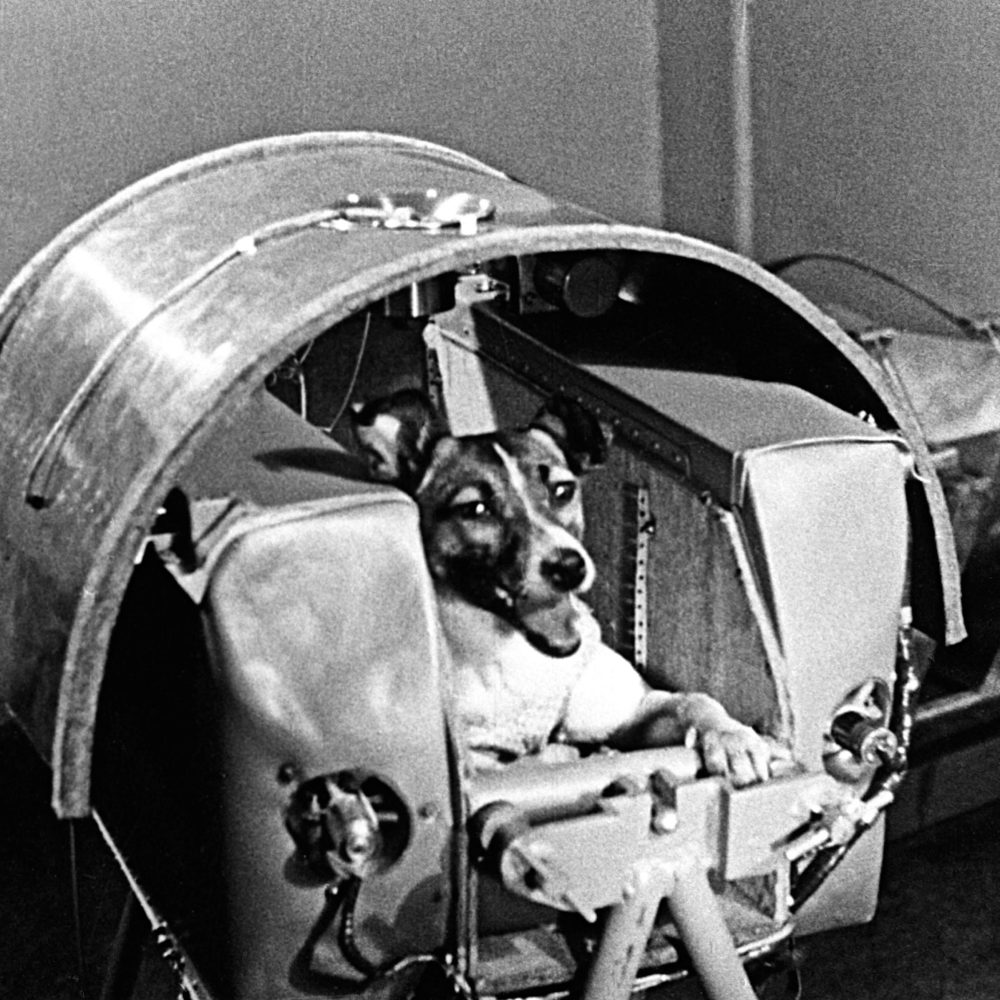
Laika: the first living creature to orbit the Earth
A stray mongrel from the streets of Moscow who became the most famous animal of the 20th century. For half a century the world believed she lived a week in orbit. The truth was shorter and sadder — and it was told only in 2002.

Sputnik 1: the start of the space age
On 4 October 1957 the USSR placed the first artificial satellite of Earth into orbit.
Section guide
Soviet science and space: from fundamental physics to interplanetary probes
Soviet science was both part of the international research community and a central instrument of state competition. Enormous resources went into physics, nuclear energy, rocketry, mathematics and space research. Many projects had a dual character: technologies developed for defense became the basis of peaceful programs, while achievements in fundamental science also served national prestige. This section therefore connects laboratories, design bureaus, power stations and launch sites.
The best-known story begins with story of Sputnik 1. The launch of the first artificial satellite in 1957 demonstrated that a rocket could place a payload in orbit and dramatically accelerated the global space race. A few years later, article on Yuri Gagarin became the first human in space. Behind those symbolic victories stood thousands of engineers, military personnel, physicians and scientists, together with a large network of secret institutions. They were followed by robotic missions to the Moon and Venus, space stations, Soyuz spacecraft and the later Buran program.
The history of nuclear energy and high-level physics is just as important. The history of the Obninsk nuclear power plant shows how nuclear-generated electricity entered a public grid in 1954. Research centers in Moscow, Dubna and elsewhere studied particles, plasma, low temperatures and quantum processes. The guide to the Cherenkov effect explains a phenomenon whose investigation brought Soviet physicists the 1958 Nobel Prize, while the article on the T-3 tokamak shows why independent measurements of plasma temperature became a major step in the study of controlled nuclear fusion.
This history also has darker chapters. Nuclear technology carried serious risks, and the Chernobyl disaster exposed the consequences of a technical accident compounded by organizational failures and secrecy. The articles here therefore focus not only on records and “firsts,” but also on institutions, experimental verification and the human consequences of large technological systems.
Soviet science was also deeply connected to international research even during the Cold War. Results were checked by foreign groups, Soviet scientists received Nobel Prizes, and projects such as Apollo-Soyuz showed that competition could coexist with cooperation. This is essential to understanding scientific achievement: a dramatic claim of priority matters only when measurements can be reproduced, theories survive testing and technologies function in a real experiment, power plant or flight rather than merely in official publicity.