Culture & Arts
Cinema, music, literature, architecture and censorship.
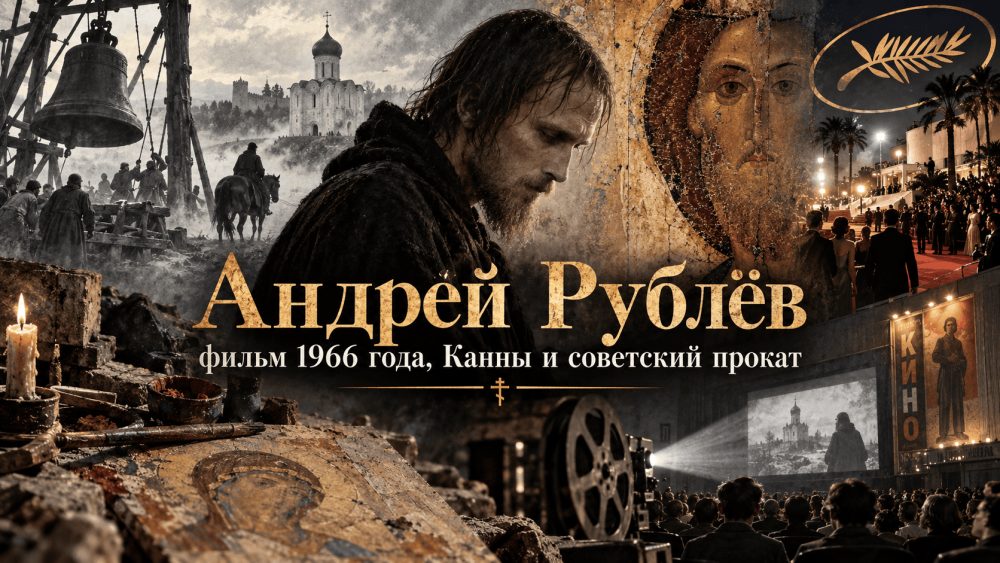
Andrei Rublev: The 1966 Film, Cannes and Its Soviet Release
Why Andrei Rublev has several key dates: production, permissions, the FIPRESCI prize, Soviet distribution and the distinction between versions.
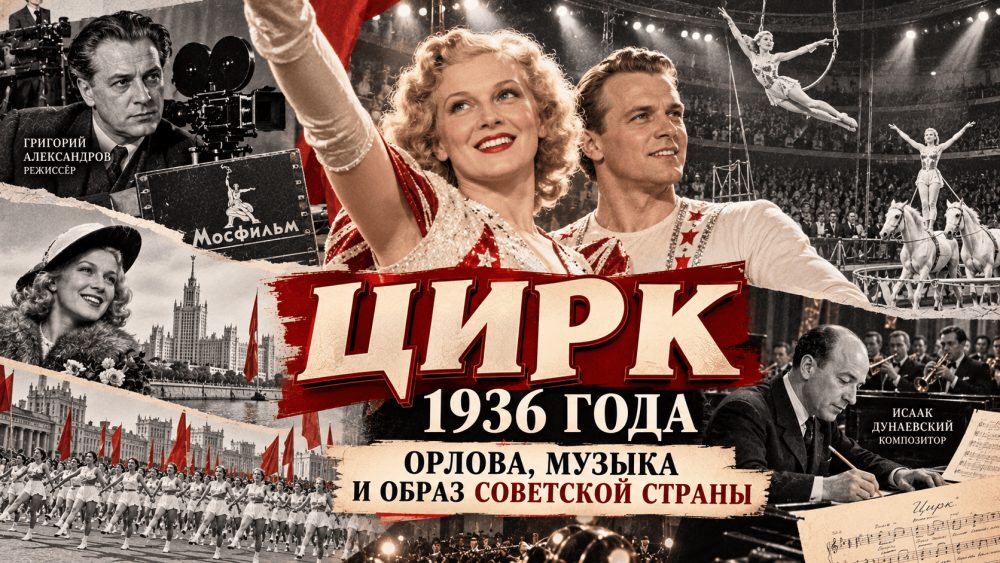
Circus (1936): Orlova, Music and the Soviet Promise
How Circus works: Marion Dixon’s story, Dunayevsky’s music, screenplay attribution and the difference between the 1936 release and later copies.
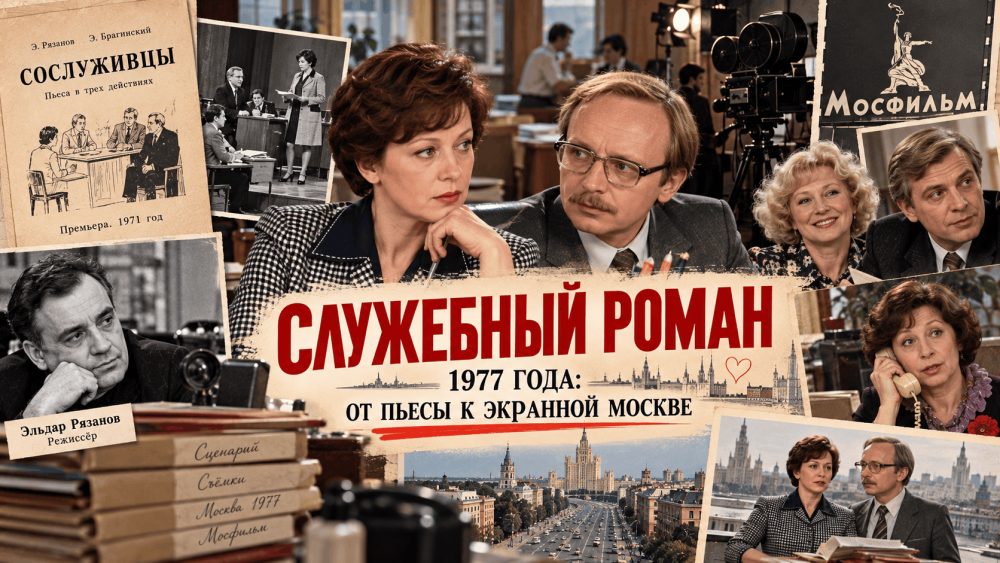
Office Romance 1977: From a Play to Screen Moscow
How Co-workers became Office Romance: the filmmakers, the separate locations behind one fictional office, urban space and dialogue beyond the screen.
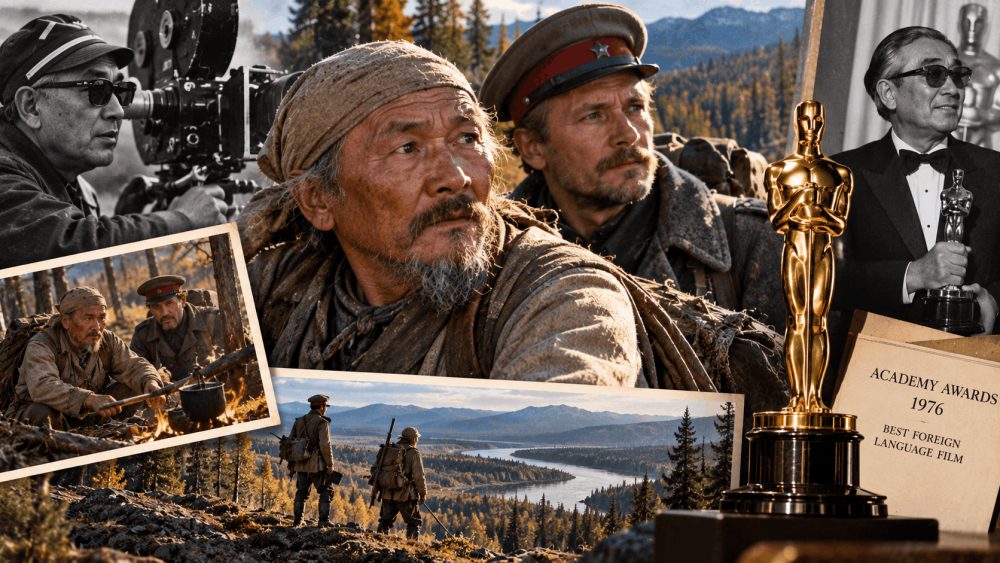
Dersu Uzala: Kurosawa, a Soviet-Japanese Film and the 1976 Oscar
How Akira Kurosawa’s Dersu Uzala became part of Soviet film history: Arsenyev, the production team, Schwartz’s music and the date of its Academy Award.
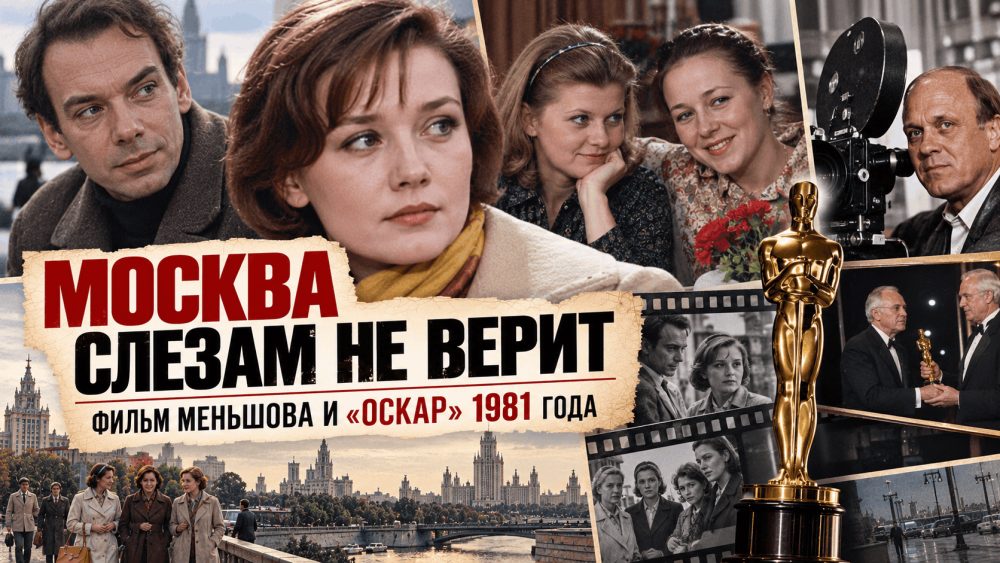
Moscow Does Not Believe in Tears: Menshov’s Film and the 1981 Oscar
Three friends, urban life and an international award: why Mosfilm dates Moscow Does Not Believe in Tears to 1979, while its Oscar was presented in 1981.
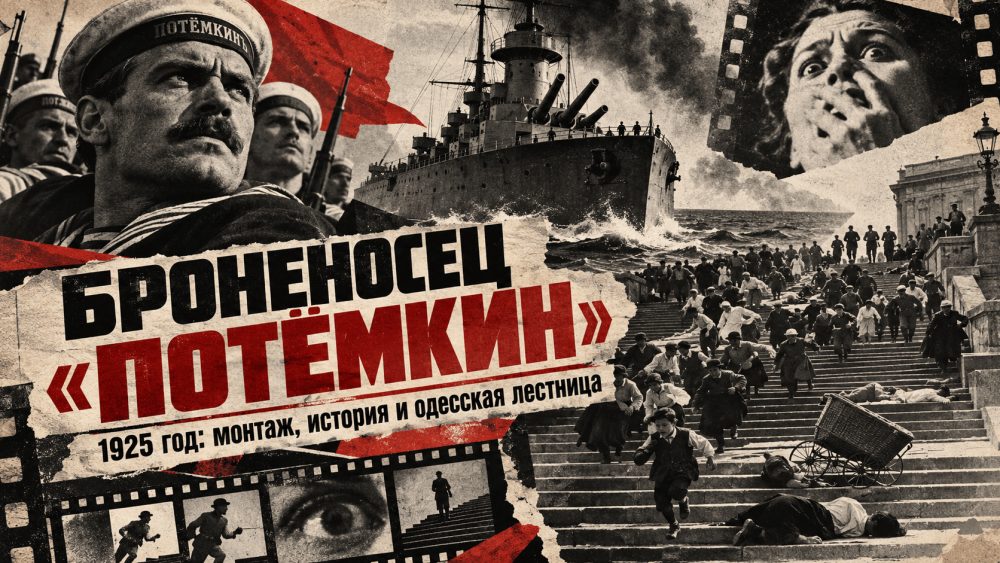
Battleship Potemkin (1925): Montage, History and the Odessa Steps
How Eisenstein’s film works: five acts, the stone-lion montage, invention on the Odessa Steps, different versions and British classification records.
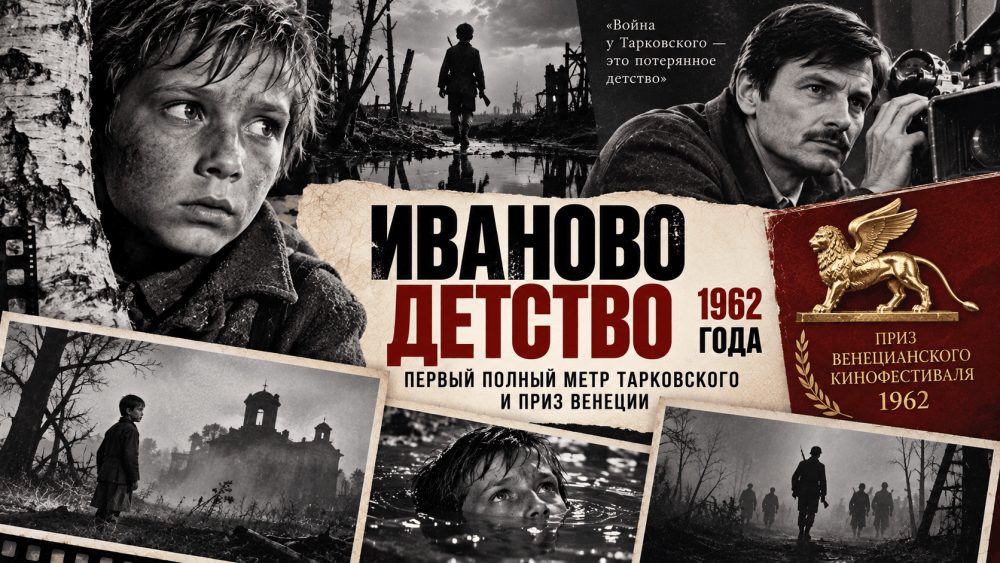
Ivan’s Childhood (1962): Tarkovsky’s First Feature and Its Venice Prize
Bogomolov’s story, Ivan’s dreams and Tarkovsky’s first feature: how Ivan’s Childhood shared the Golden Lion at Venice in 1962.
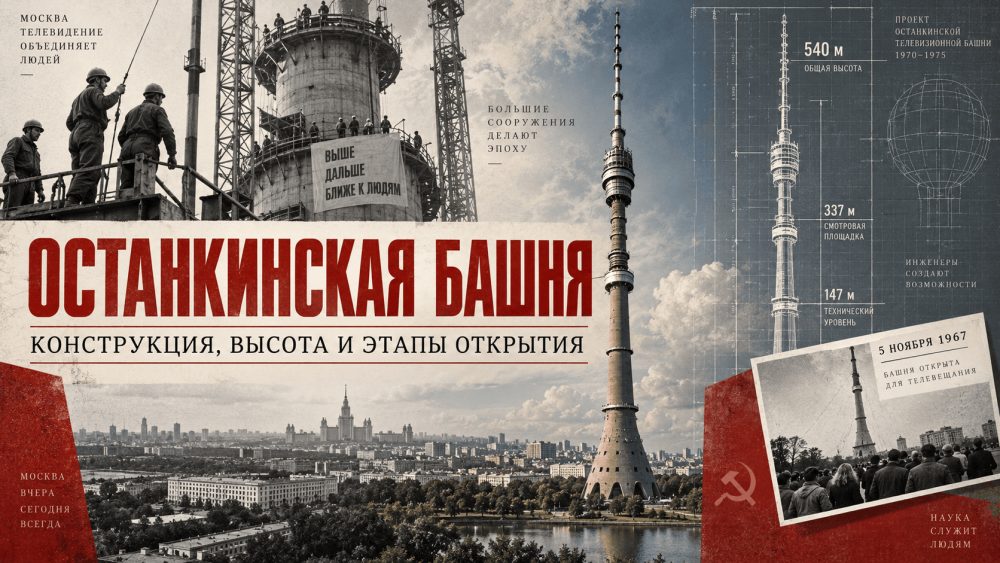
Ostankino Tower: Structure, Height and Stages of Opening
Why Ostankino Tower has several milestone dates: Nikitin’s design, prestressed concrete, first-stage commissioning and observation levels.
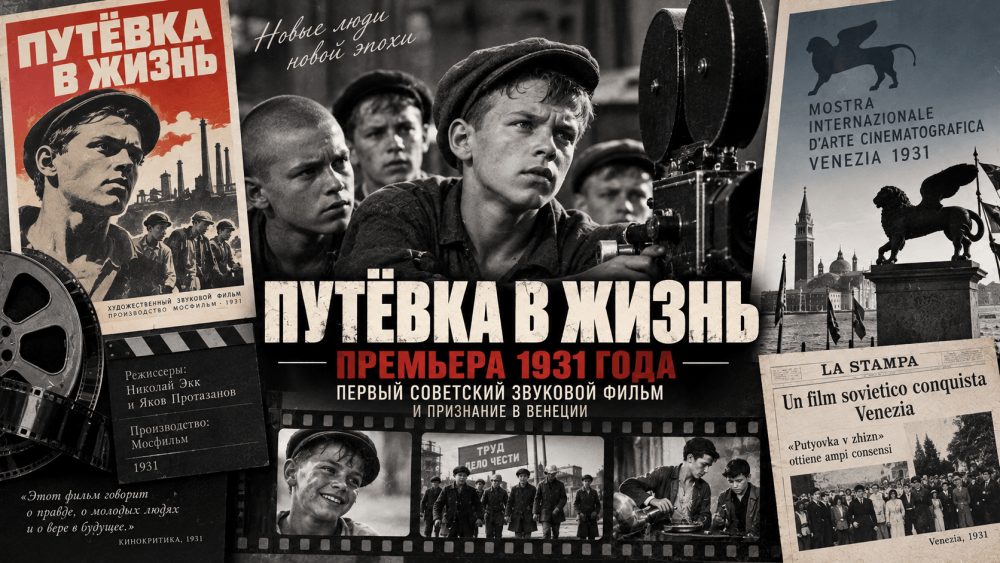
Road to Life: Sound, the 1931 Premiere and Venice Recognition
Explore Road to Life through its makers, premiere venue, Venice audience referendum, later soundtrack revision and digital restoration.
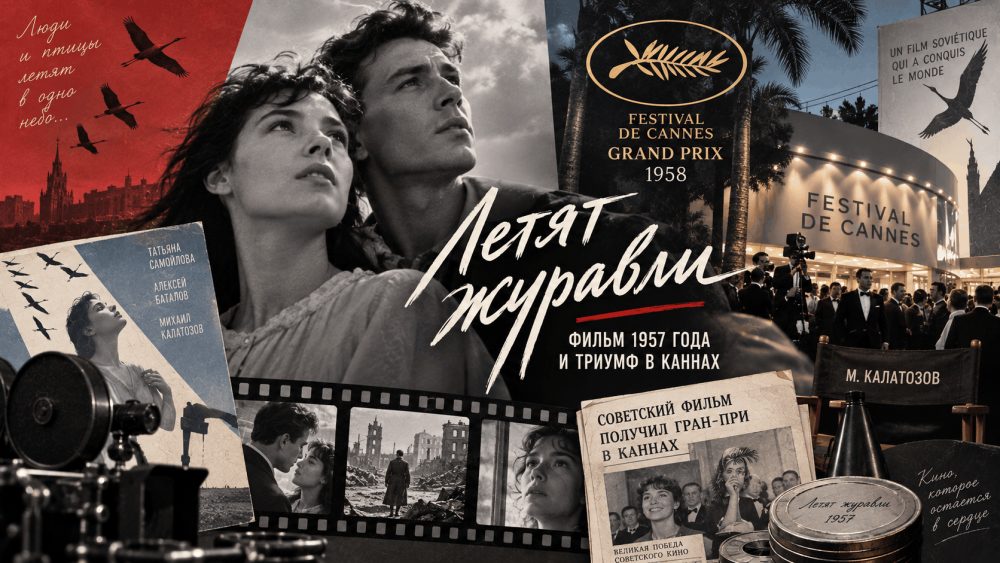
The Cranes Are Flying: The 1957 Film and Its Cannes Triumph
Explore The Cranes Are Flying through its characters, Urusevsky’s camera, Thaw-era cinema, the 1958 Palme d’Or and its later restoration.
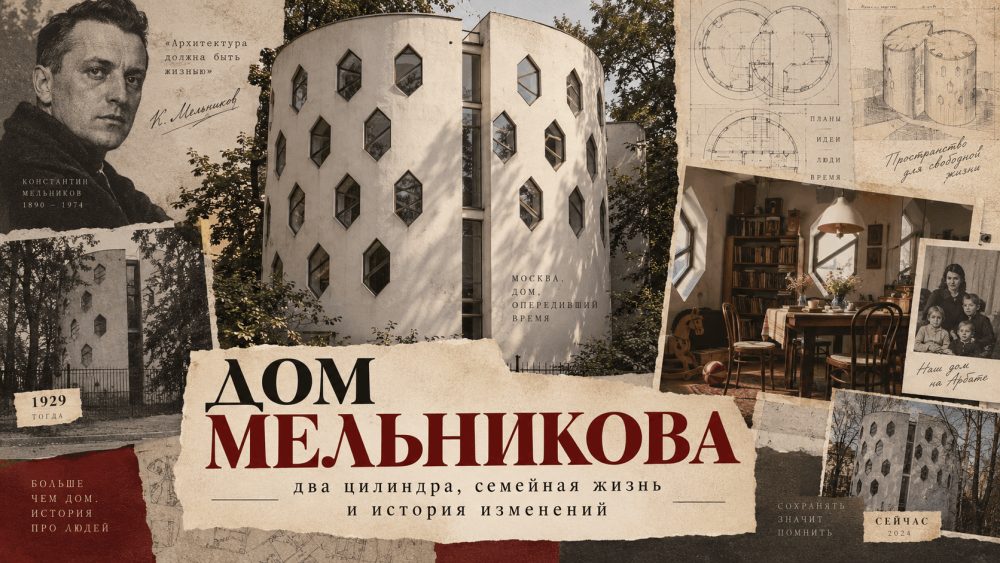
The Melnikov House: Two Cylinders, Family Life and a Changing Building
Explore Melnikov’s Moscow house-studio: intersecting cylinders, hexagonal windows, the 1929 move, wartime damage and the preservation of its family history.
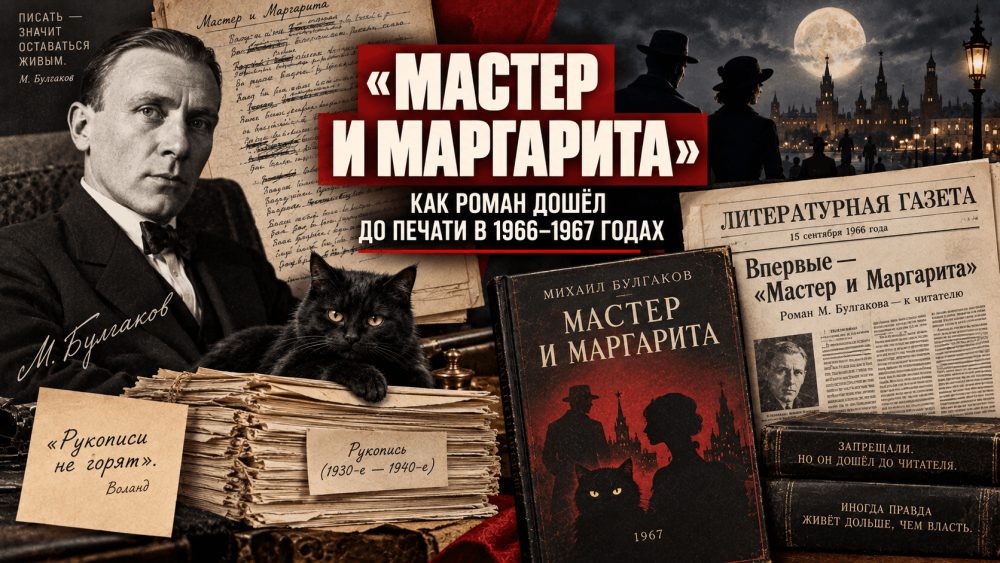
The Master and Margarita: How the Novel Reached Print in 1966-1967
Follow The Master and Margarita from Bulgakov’s drafts and Elena Bulgakova’s work to the censored Moskva serialization and the 1973 Soviet book edition.
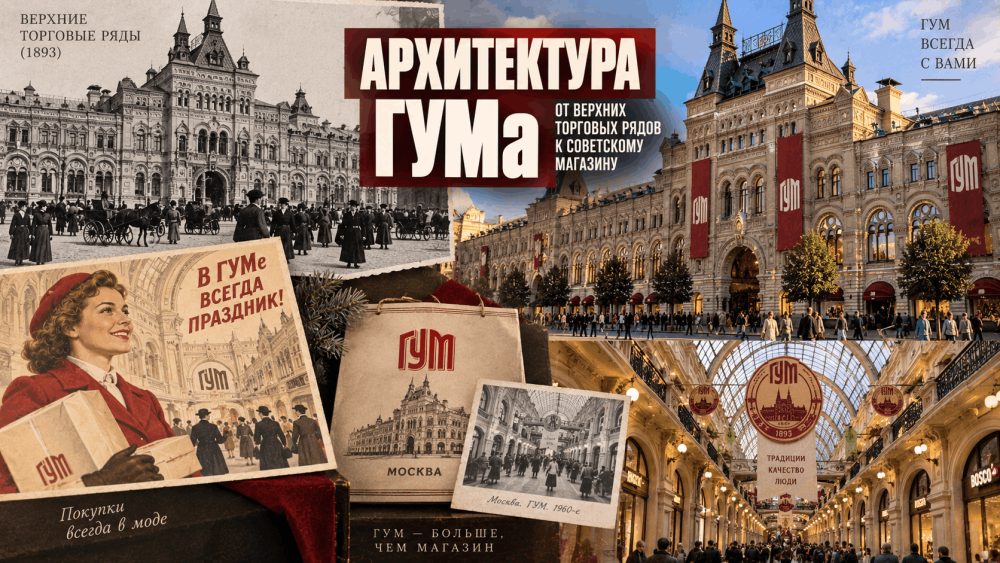
GUM Architecture: From the Upper Trading Rows to a Soviet Store
Discover how GUM’s 1893 building combined historic facades with covered shopping passages, and why its Soviet reopening in 1953 was a separate milestone.
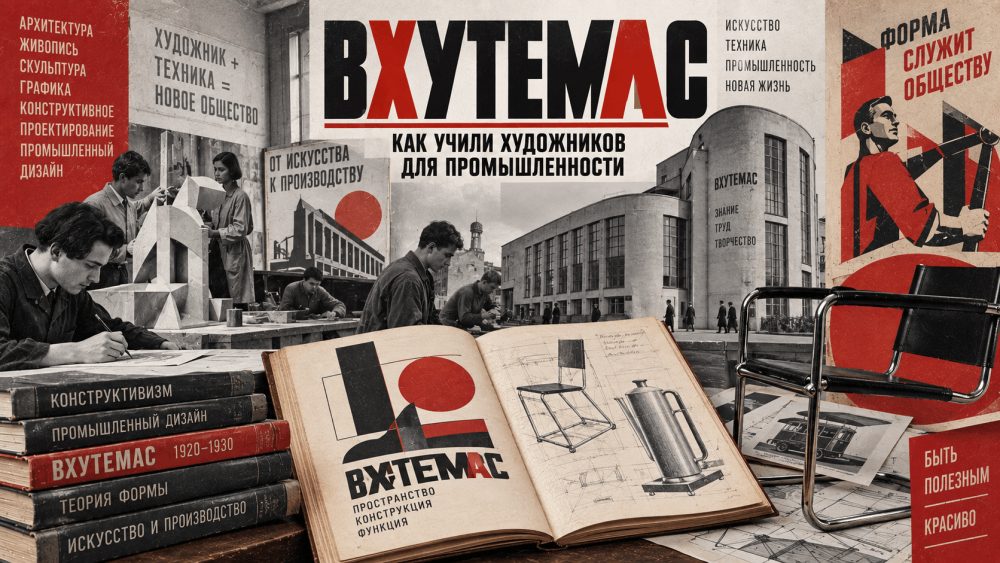
VKHUTEMAS: Teaching Art for Industry in Soviet Moscow
Discover VKHUTEMAS, Moscow’s art and technical school: its faculties, spatial exercises and student projects, with a guide to reading its educational legacy.
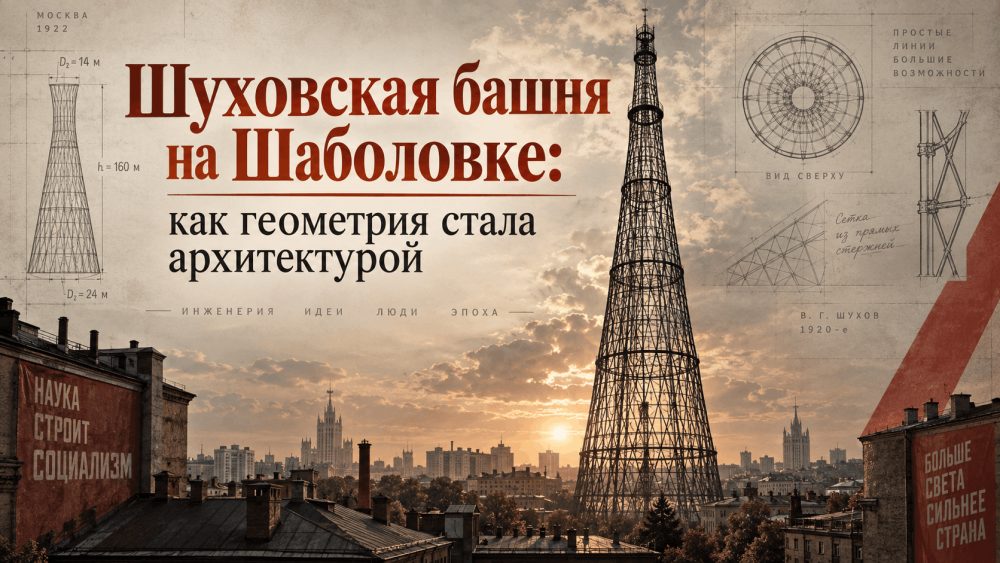
Shukhov Tower on Shabolovka: How Geometry Became Architecture
Discover how the Shukhov Tower uses straight steel members, six hyperboloid sections and telescopic assembly, and how a radio structure became a Moscow landmark.
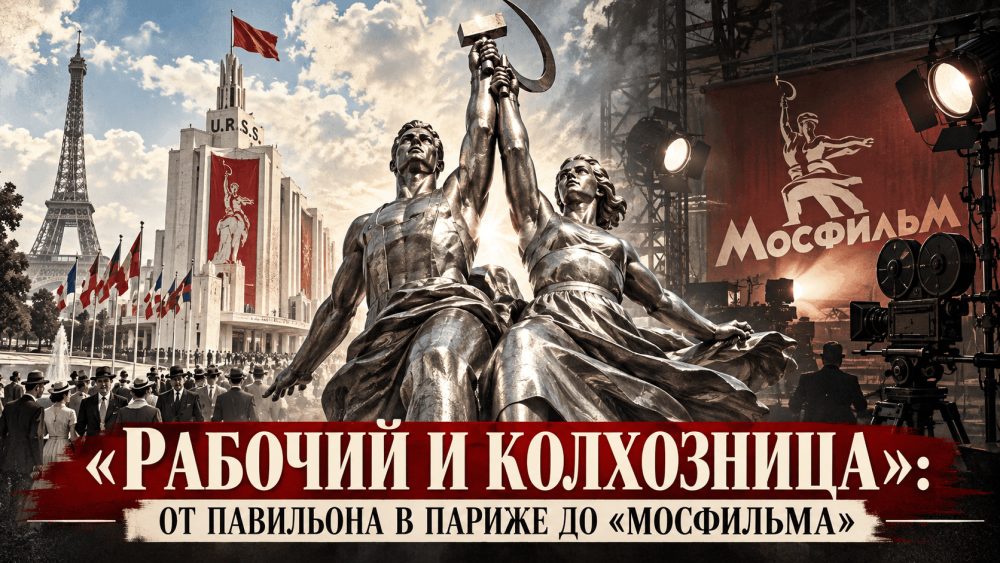
Worker and Kolkhoz Woman: From Paris to Mosfilm
Discover how Mukhina and Iofan shaped Worker and Kolkhoz Woman, why its setting changed and how the sculpture became Mosfilm’s recognisable emblem.
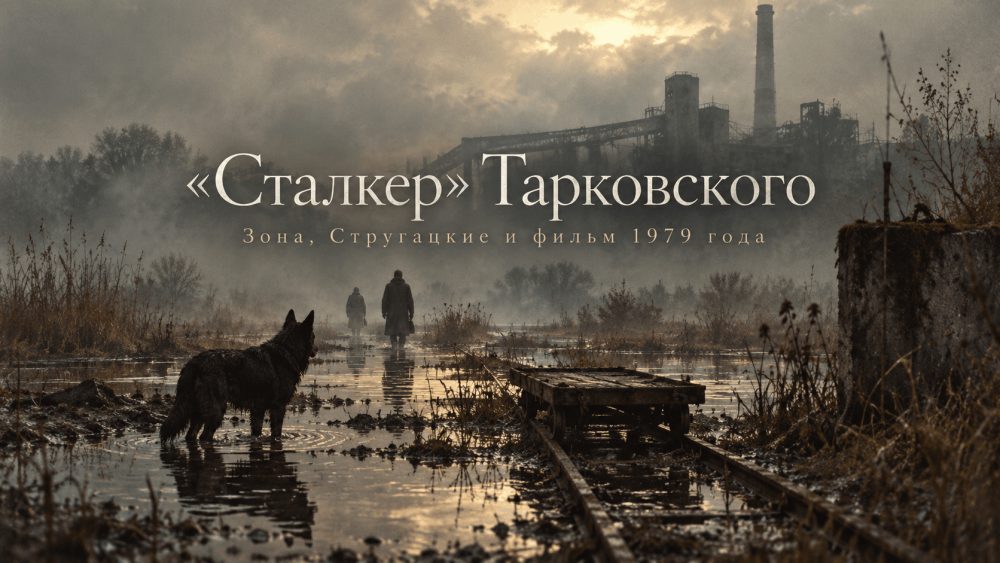
Tarkovsky’s Stalker: The Zone and the 1979 Film
How Stalker reshaped Roadside Picnic, where Tarkovsky filmed the Zone, and why the film predates Chernobyl. An introduction without an ending recap.
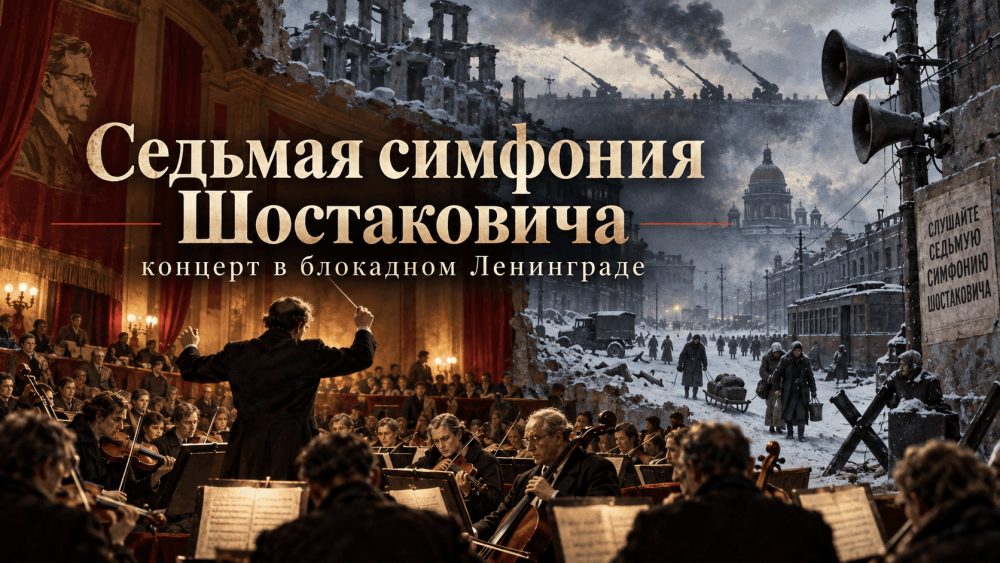
Shostakovich’s Seventh Symphony in Besieged Leningrad
Karl Eliasberg led the Seventh Symphony in Leningrad on 9 August 1942. The concert followed its world premiere and carried a meaning of its own.
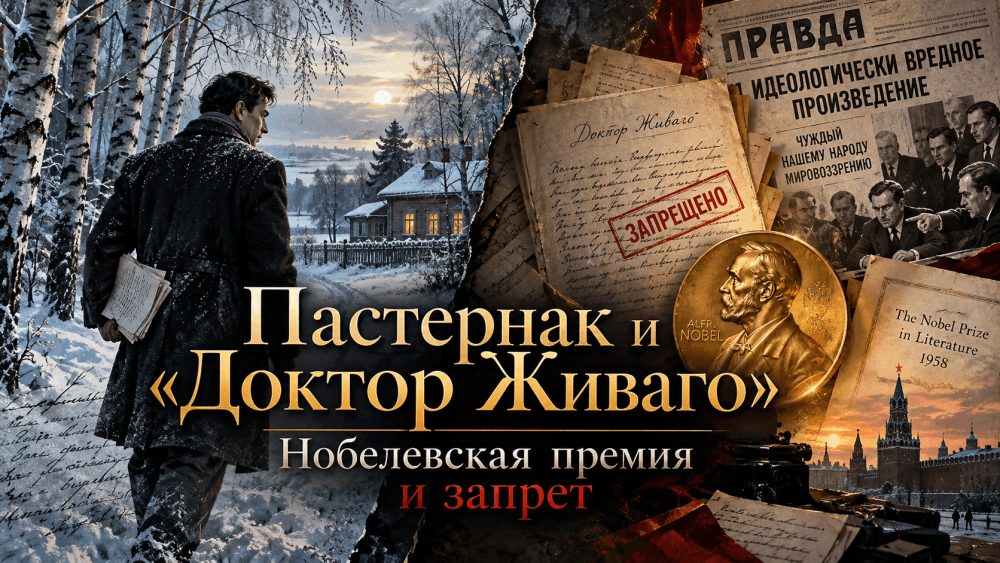
Pasternak and Doctor Zhivago: The Nobel Prize and the Ban
Doctor Zhivago appeared in Italy before its author won the Nobel Prize. Its path to Soviet publication reveals the limits of the cultural Thaw.
Soviet ballet: an art that became a weapon
London in 1956, weeping over Ulanova. Nureyev running through a Paris airport. And Swan Lake on television instead of news about the coup. How ballet became the USSR's greatest cultural export and its most honest metaphor.
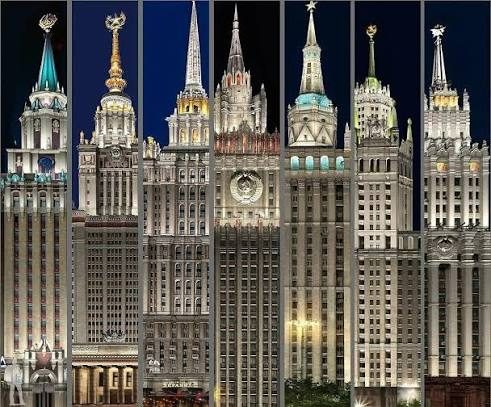
The Seven Sisters: Stalin's skyscrapers over Moscow
Eight foundations laid in one hour of one day, seven towers built, and one sister that vanished. Why Stalin needed skyscrapers, who really built them, and how their silhouette became Moscow's second coat of arms.
Soviet animation: the Soyuzmultfilm studio
Soyuzmultfilm gave the country Cheburashka, "Nu, pogodi!" and "Hedgehog in the Fog." How the USSR's main studio made cartoons loved by several generations.
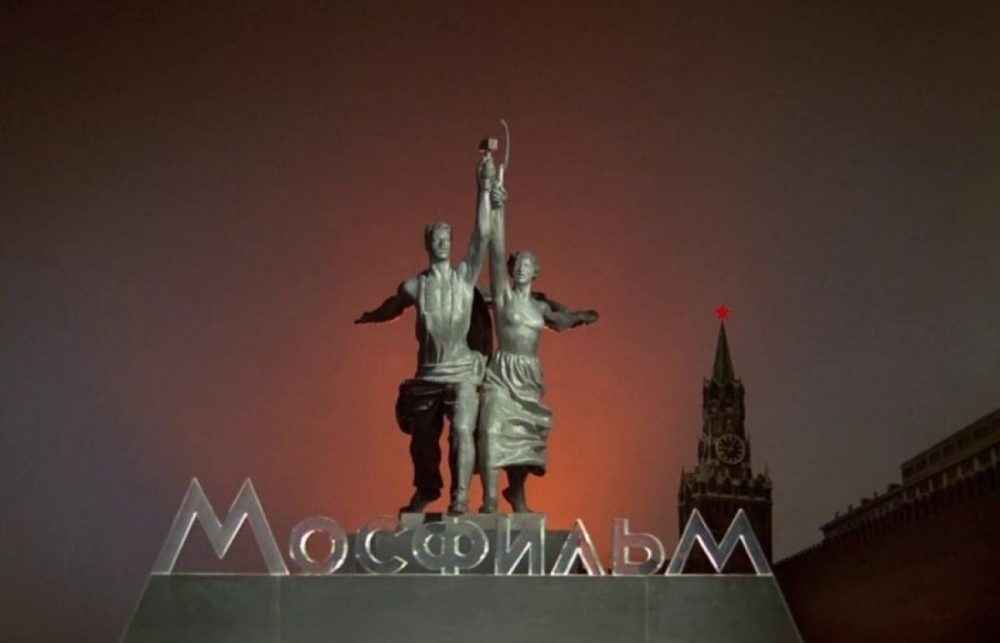
Soviet cinema: from "Battleship Potemkin" to "The Irony of Fate"
Gaidai and Ryazanov comedies, Tarkovsky's philosophical films, three Oscars and "Moscow Does Not Believe in Tears." How Soviet cinema became beloved by several generations.
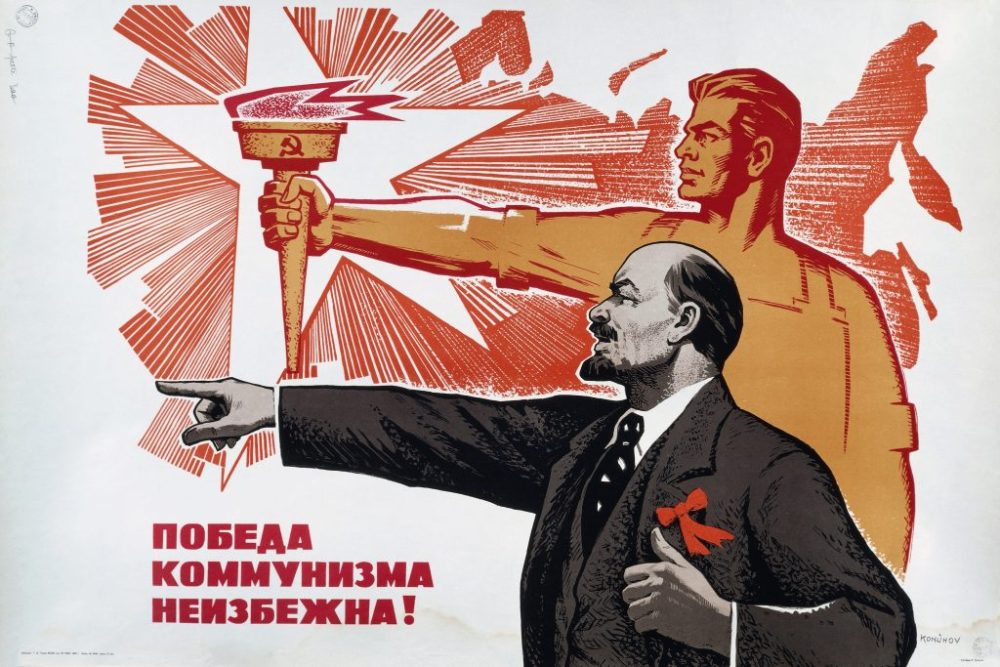
The Soviet poster: art that shouts from the wall
One night to create it, one morning to paste it up: that was the pace of the visual machine through which the country talked to itself for seventy years. From Mayakovsky's stencils to The Motherland Calls and Don't Chatter!, the story of the genre through which the USSR influenced world design more than through anything else.
Section guide
Soviet culture: cinema, literature, music, ballet and architecture
Soviet culture developed inside a striking contradiction. The state invested heavily in theaters, film studios, libraries, publishing and artistic education, yet it also defined the boundaries of what could be shown or printed. An artist might receive nationwide distribution and state support, then face censorship, publication bans or accusations of “formalism.” Soviet cultural history therefore makes more sense as an ongoing negotiation between art, society and political power than as a simple list of famous works.
Cinema became one of the most visible Soviet art forms. The overview of Soviet cinema follows its development from silent-era experimentation to the mass audiences of the late USSR. Individual films became international landmarks: the story of Battleship Potemkin shows how Eisenstein's editing influenced world cinema, while the story of Moscow Does Not Believe in Tears follows a Soviet domestic drama all the way to an Academy Award. Between them stand Tarkovsky, Kalatozov, Gaidai, Ryazanov and a vast studio system that functioned simultaneously as art, industry and state cultural policy.
In literature, the line between recognition and prohibition could be even sharper. The article on The Master and Margarita explains how Bulgakov's novel waited decades to reach print. Similar tensions shaped the stories of Pasternak, Solzhenitsyn and many other writers: the official canon existed alongside manuscripts “for the desk drawer,” samizdat and books first published abroad.
Music, theater and ballet supplied the USSR with enormous international prestige. The overview of Soviet ballet explains why the Bolshoi and leading Soviet dancers became central to the country's cultural image. Architecture and design also marked changing eras, from Constructivism and VKhUTEMAS to Stalinist high-rises, mass housing and late modernism. This section connects works with the lives and institutions behind them, showing not only what Soviet artists created but the conditions under which their work became part of world culture.
International recognition did not necessarily mean an easy relationship with Soviet institutions. Festival prizes, foreign tours and translations could turn an artist into a cultural symbol of the country while the same person's work still passed through artistic councils, editors and censorship at home. That mixture of state support, enormous audiences and institutional control is one of the defining features of the Soviet cultural system and helps explain both its major achievements and many of its personal dramas.